











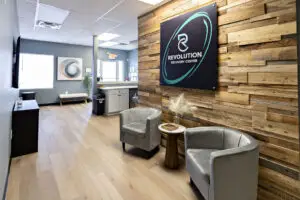
When it comes to overcoming addiction and mental health challenges, dual diagnosis treatment plays a crucial role in achieving long-term recovery. Many individuals struggling with substance use disorders also face underlying mental health conditions like depression, anxiety, or PTSD. Without addressing both the addiction and mental health issues simultaneously, achieving lasting results can be difficult.
At Revolution Recovery, we specialize in offering dual diagnosis treatment in Gloucester County, NJ. We take a holistic approach to care, ensuring that clients receive personalized treatment for their unique needs. If you or a loved one is considering dual diagnosis treatment, this post will guide you through what to expect during the process and how it can make a life-changing impact.
What Is Dual Diagnosis Treatment?
Dual diagnosis treatment is designed to help individuals struggling with a co-occurring mental health disorder and addiction. According to the Substance Abuse and Mental Health Services Administration (SAMHSA), nearly 9.2 million adults in the United States experience both a substance use disorder and a mental health condition. These issues often interact and fuel one another, making it essential to treat both simultaneously for optimal recovery.
Common examples of co-occurring disorders include:
- Alcohol addiction and depression.
- Opioid abuse and anxiety disorders.
- Cocaine addiction and PTSD.
- Marijuana use and bipolar disorder.
At Revolution Recovery in Gloucester County, NJ, we assess for both addiction and mental health conditions as part of our intake process, ensuring that every client receives a comprehensive treatment plan tailored to their needs.
The Importance of Dual Diagnosis Treatment in Gloucester County, NJ
Without specialized dual diagnosis care, clients often fall into a cycle of relapse. For example, untreated anxiety may lead an individual to use substances to self-medicate. On the flip side, substance use could worsen anxiety symptoms due to its effects on the brain and body.
Dual diagnosis treatment addresses these complexities by offering a coordinated approach that focuses on both mental health and addiction. Here’s why it’s essential:
- It improves long-term recovery outcomes: By addressing the root causes of substance use, individuals are less likely to relapse.
- It promotes emotional healing: Treating underlying mental health conditions allows clients to regulate emotions better and cope with life stressors.
- It reduces triggers: Many mental health issues act as triggers for substance use. Getting treatment for these conditions reduces the likelihood of falling back into unhealthy patterns.
What to Expect During Dual Diagnosis Treatment
Dual diagnosis treatment combines various components of mental health care and addiction recovery to create a customized plan for each client. Here’s what clients and families can expect during treatment at our Gloucester County facility:
1. Comprehensive Assessment
The first step in any dual diagnosis program is a thorough assessment. At Revolution Recovery, our team evaluates clients for both substance use disorders and mental health conditions. This process includes:
- A review of medical history.
- Screening for symptoms of mental health conditions like depression, anxiety, or trauma.
- Assessing patterns of substance use and dependency.
The goal of the assessment is to create a full picture of the individual’s health, providing the foundation for a personalized treatment plan.
2. Medical Detox (If Necessary)
For clients with significant dependency issues, treatment often starts with medical detox. This is a supervised process to manage withdrawal symptoms while eliminating substances from the body safely. Specialized care ensures that detox is as comfortable and safe as possible.
3. Individualized Treatment Plans
Once detox is complete, clients begin their customized treatment plan. At Revolution Recovery, we consider the unique needs of every individual, designing programs tailored to their mental health diagnosis, addiction history, and personal recovery goals.
4. Evidence-Based Therapies
Therapy is at the heart of dual diagnosis treatment. Clients can expect to engage in evidence-based practices such as:
- Cognitive Behavioral Therapy (CBT): Teaches clients how to identify and change negative thought patterns contributing to substance use or mental health symptoms.
- Dialectical Behavioral Therapy (DBT): Helps clients build skills for emotional regulation, distress tolerance, and interpersonal communication.
- Trauma-Focused Therapy: Crucial for individuals with PTSD or trauma histories, this therapy promotes healing by addressing deep-seated pain that fuels substance use.
5. Medication Management
For clients facing co-occurring disorders, medication may be introduced as part of treatment. For example:
- Antidepressants or anti-anxiety medications may address mental health symptoms.
- Approved medications like Suboxone or Vivitrol may be used to manage cravings and dependency.
Medication management is closely monitored by licensed medical professionals to ensure the best results.
6. Group Therapy and Peer Support
Recovering from addiction and mental health challenges can feel isolating—but through group therapy and peer support, clients find community and connection. Sharing experiences with others facing similar struggles encourages accountability and reduces feelings of shame or stigma.
7. Family Involvement
At Revolution Recovery, we recognize that addiction and mental health issues affect the entire family. Through family therapy sessions, loved ones gain the tools needed to understand the recovery process, rebuild trust, and create a supportive environment for long-term healing.
8. Aftercare Planning
Recovery doesn’t end when treatment does. Expect a comprehensive aftercare plan that includes ongoing therapy sessions, relapse-prevention coaching, and access to support groups. Aftercare is essential for staying on track once you leave the structured environment of rehab.
Why Revolution Recovery Is the Best Choice for Dual Diagnosis Treatment
At Revolution Recovery, we combine clinical expertise with compassionate care to deliver effective dual diagnosis treatment in Gloucester County, NJ. Here’s how we stand out:
- Personalized plans tailored to individual needs.
- Evidence-based therapies backed by research.
- Expertise in treating clients with challenging co-occurring conditions.
- Focus on holistic healing, including mindfulness practices, fitness programs, and creative therapies.
- Comprehensive ongoing support through our aftercare programs.
We are dedicated to helping clients build the foundation for a lifelong recovery, restoring balance to both mental health and physical wellness.
Take the First Step Toward Healing with Dual Diagnosis Treatment in Gloucester County, NJ
Whether you or a loved one needs dual diagnosis treatment, Revolution Recovery can help build a brighter future. Don’t let addiction and mental health struggles hold you back any longer—our Gloucester County facility is here to provide the care and support you need.
Contact Revolution Recovery today to learn more about our programs, verify your insurance, or speak with a compassionate member of our admissions team. The path to recovery starts with taking that first step.
Source: Substance Abuse and Mental Health Services Administration (SAMHSA)