Dual diagnosis treatment helps people dealing with both addiction and a mental health condition. According to the National Institute on Drug Abuse, approximately 9.2 million adults in the United States experienced both mental illness and a substance use disorder in 2022. Only a small fraction of individuals get the integrated help they need for both conditions.
When addiction and mental health issues show up together, they feed off each other. Mental health symptoms can lead to substance use as a way to cope, while drug or alcohol use can trigger or worsen psychiatric symptoms. Treating just one without addressing the other usually doesn’t work.
At Revolution Recovery Center, we treat both conditions simultaneously in Florida and New Jersey. We offer flexible outpatient programs that support long-term recovery.
Dual diagnosis treatment is designed for people dealing with both addiction and a mental health condition at the same time. This means a person has both a substance use disorder and a mental health disorder, such as depression, anxiety, or PTSD. Historically, these conditions were treated separately, often requiring patients to be sober before receiving mental health care.
Today’s dual-diagnosis treatment addresses both problems at once. Key components include:

| Level of Care | Hours per Week | Best For |
|---|---|---|
| Partial Hospitalization (PHP) | 20+ hours | Individuals stepping down from inpatient care or needing high structure. |
| Intensive Outpatient (IOP) | 9-12 hours | Those needing moderate support while living at home. |
| Outpatient Program (OP) | 3-6 hours | Maintenance phase of recovery. |
Our Outpatient Program helps you maintain recovery over the long haul with weekly sessions to discuss current stressors and regular check-ins to prevent drift back into old behaviors.
If you need medical detox or residential treatment first, we’ll connect you with trusted partners.
Mental health issues that often appear together with addiction include anxiety, depression, trauma-related disorders, and personality disorders.
Anxiety disorders show up alongside addiction more than almost any other mental health condition. Many people turn to alcohol or sedatives to quiet racing thoughts. As substances wear off, anxiety symptoms often return with greater intensity, fueling a cycle of dependence.
Depression and addiction often show up together and reinforce each other. Substance use drains the brain chemicals that regulate mood. Low energy, hopelessness, and isolation are common in both conditions. Treatment often combines antidepressant medication with behavioral activation therapies.
Trauma is one of the biggest reasons people turn to substances. Many people use drugs or alcohol to numb painful memories or flashbacks. Therapies like Eye Movement Desensitization and Reprocessing (EMDR) help process trauma safely without substances.
Bipolar disorder involves extreme shifts in mood, energy, and activity levels. More than half of adults with serious mental illness used illicit drugs in the past year. Medication management is crucial to stabilizing mood swings, which helps reduce the urge to use substances.
ADHD increases the risk of substance use, often starting in the teen years. Difficulty with impulse control can make it harder to resist cravings. ADHD treatment involves executive function training and non-narcotic medication options.
Treating mental health and addiction together leads to better outcomes than treating them separately. According to 2023 data, most people with co-occurring disorders still aren't getting treatment. More than half received no treatment at all. Only 8.7% got the integrated care they needed for both conditions.
An integrated approach leads to:
Outpatient treatment lets you get care while keeping up with work, school, and family.
We start with a thorough assessment covering physical health, mental health, and life circumstances. From there, we build a treatment plan tailored to your specific needs with goals for both your mental health and your recovery.
Your therapists and doctors communicate regularly to adjust treatment as needed. The entire team works toward the same recovery objectives, and you receive consistent guidance on coping strategies.
Our outpatient programs provide ongoing support, including regular therapy, psychiatric follow-up, and crisis support when symptoms worsen or cravings intensify.
We use proven therapies that work for people dealing with both addiction and mental health issues.
In one-on-one sessions, you get private time to dig into your personal struggles. This includes Cognitive Behavioral Therapy (CBT) to change negative thought patterns, and Motivational Interviewing to strengthen your internal motivation for recovery.
Group sessions provide peer support and reduce isolation. Groups focus on practical skills like distress tolerance and communication while providing shared experiences that validate your own struggles.
Addiction affects the entire family system. We offer family therapy sessions to improve communication, education about the biology of addiction and mental health, and help with boundary setting.
Recovery is about more than therapy. We help with the practical stuff that keeps your recovery on track:
Florida has a serious problem with co-occurring disorders. A 2022 study by the Florida Developmental Disabilities Council found that 18% of Florida’s 4.5 million adults with disabilities also experience co-occurring mental health issues. Only 16.9% of adults needing mental health treatment and 6.5% needing SUD treatment receive it.
Florida Assertive Community Treatment (FACT) programs deliver multidisciplinary, evidence-based care using a “no wrong door” integrated dual diagnosis model. In Florida, the number of patients with co-occurring disorders rose from 12% to 16% over six years.
Our Boynton Beach location offers PHP, IOP, and OP levels of care. We use the same “no wrong door” philosophy seen in successful FACT programs, ensuring substance use and mental health are treated with equal importance. We connect clients with the vibrant local recovery community in Palm Beach County.
Our Florida programs serve local residents seeking high-quality care close to home. We also support relocation clients moving to Florida and individuals with complex, untreated mental health needs.
The need for integrated care in New Jersey is urgent. Our Williamstown center provides dual diagnosis treatment for residents of South Jersey.
Our Williamstown facility serves Gloucester, Camden, and the surrounding counties. We offer comprehensive dual diagnosis PHP and IOP in the Williamstown area. Our team is experienced in treating complex co-occurring conditions common in the region, including opioid use disorder combined with anxiety or depression.
Our New Jersey programs serve working professionals with flexible IOP schedules. We also support young adults and families who wish to be involved in the recovery process.
A good candidate for dual diagnosis treatment is someone who experiences symptom cycling or has a history of relapse due to untreated mental health issues. Other signs you may benefit include:
Our admissions team can conduct a confidential assessment to help determine the appropriate level of care.
Our compassionate team is here to support you every step of the way. Don't wait any longer – your recovery begins now
Admissions process overview
We accept most major insurance plans and will work directly with your provider to authorize treatment.


"*" indicates required fields
If you require medical detoxification, we will coordinate a referral to a trusted partner. You can transition into our outpatient programs afterward.
Most clients engage in treatment for several months, starting with more intensive care (PHP) and stepping down to less intensive levels as they gain stability.
Most major insurance plans cover dual diagnosis treatment under behavioral health benefits. We work with many providers in both states and will verify your specific coverage before you begin.
Yes, our IOP and OP offer flexible scheduling, including evening options, allowing many clients to maintain employment while receiving care.
Dual diagnosis treatment integrates psychiatric care and mental health therapy directly into addiction recovery. We treat the mental health condition and substance use disorder simultaneously as equal priorities.

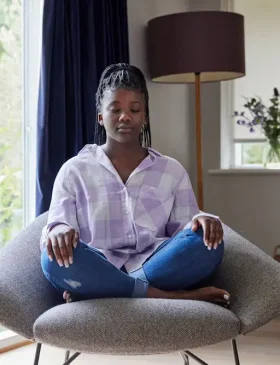
You do not have to choose between treating your addiction and treating your mental health. At Revolution Recovery Center, our integrated programs in Florida and New Jersey help you build a life of stability, purpose, and joy.
Verify your insurance benefits here and let us help you start your revolution in recovery.