










Medically Reviewed by: Alyssa DeStefano, LCSW, Licensed Clinical Social Worker | Revolution Recovery Center
Thanksgiving is the time of year for grateful plates, crowded rooms, and familiar faces. But for those living with depression, anxiety, or addiction, the season can feel more like walking into a pressure cooker than a cozy party. Maybe it’s the looming family questions, the pressure to put on a happy face while you’re running on empty, or the drinks being passed around the table. Maybe you’re silently questioning whether this is because of your drinking, your bad mood, or maybe a little of both. You’re not alone, and you’re not failing at the holidays. Far from it. The season can really bring these issues to the surface when you are coping with both mental health and substance use – and here’s why those two things really do matter when they happen together.
What Dual Diagnosis Actually Means

Co-occurring disorders, or dual diagnosis, occur when someone has both a mental health disorder and a substance use disorder. For instance, they may be diagnosed with depression as well as alcohol use disorder, anxiety and misuse of prescription medication, or trauma symptoms and stimulant or opioid addiction.
The two conditions don’t often go it alone. An individual who suffers from untreated anxiety might begin drinking to soothe the racing mind. An individual battling depression may turn to drugs to bring her up, or to numb out entirely. Eventually, the drug only intensifies those symptoms he or she is trying to alleviate.
Why Thanksgiving Can Intensify Anxiety, Depression, and Substance Use

Holidays have their own special emotional baggage, and for many, Thanksgiving:
- Stress within the family: Old wounds, disagreements or judgments may arise while you are having dinner.
- Loneliness and grief: The empty chair, broken relationship, or lack of togetherness can make today a lonely day.
- Social pressure: Alcohol tends to be the focus of get-togethers, making it hard for a person who is abstaining from alcohol or trying to control their drinking.
- Disrupted routines: Travel, late nights, and a hiatus from therapy sessions or support group meetings can all erode good habits.
- Unrealistic expectations: The notion of the “perfect holiday” might give people the impression that there’s always room for improvement.
If you suffer from anxiety or depression, these stressors can trigger symptoms. For someone in recovery, they increase the likelihood of relapse. If you’re dealing with both, both problems actually feed each other.
Why Treating Only One Condition Often Falls Short
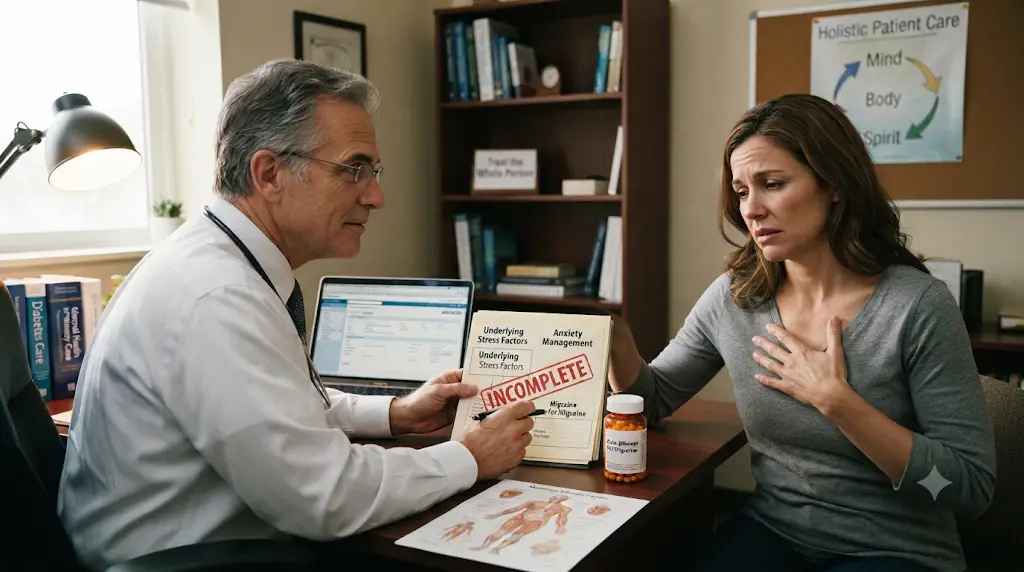
Everyone seeks treatment for one problem, but not the other. An individual may go through a detox program without ever tackling the depression that led to drinking. An individual may begin attending therapy sessions for anxiety but continue abusing substances that limit their recovery.
And it’s a vicious cycle. If the mental health problem is left unaddressed, the desire to self-medicate is back. If the addiction isn’t addressed, it and its effects–on mood, sleep, judgment–only muddle the therapy and medications, and the depression suffers. Treating either problem in isolation is a little like patching a leaky roof half the time: the problem persists.
Integrated treatment treats both conditions simultaneously by a single treatment team working in unison. Evidence-based research and clinical experience point to this model of care leading to stronger recovery results over time, including less relapse and better functioning.
What Integrated Dual Diagnosis Treatment Looks Like
The basis for a solid dual diagnosis program is the integrated treatment of the whole person. It typically includes:
- An evaluation to determine the mental health condition and its relationship to the pattern of substance use.
- Medically supervised detox when required, meaning that withdrawal is carried out in a way to keep you safe.
- Social supports and early access to evidence-based therapy (such as cognitive behavioral therapy or dialectical behavior therapy) to develop healthy coping skills and change negative thought patterns.
- Medication management, when indicated, to treat depression, anxiety or cravings.
- Providing groups and family support, which eliminates loneliness and aids relatives in comprehending what you’re experiencing.
- Planning for relapse prevention, such as during risk periods, such as the holidays.
Since every journey is unique, the most effective plans are tailored and adapted as we go along.
Practical Ways to Protect Your Mental Health and Recovery This Thanksgiving
No matter where you are in your recovery, whether you’re in treatment, new to the process, or just beginning to inquire about your well-being, these simple steps can help make the holiday easier:
- Exit plan (drive yourself or arrange a ride): This will allow you to exit the situation if it feels like ‘too much’
- Set boundaries early: Boundaries should be established from the outset. It’s quite alright to excuse yourself from chatting altogether or refusing an alcoholic beverage.
- Ask for back-up: Maintain the number of a friend or sponsor in your cell phone, and tell them how to reach you during the day.
- Stick to your routines: Attend to your sleep, meals, medications and support meetings as usual.
- Create your own traditions: A walk in the morning, volunteering, or a quiet dinner with loved ones can be just as special as a large party.
- Be kind with yourself: Just a hard time doesn’t cancel out everything.
When anxiety, depression or drug use creeps up, let it be your cue to reach out, not a shame to hide.
Conclusion: Healing Is Possible, and You Don’t Have to Do It Alone

Thanksgiving is a time to stop and be mindful of what we’re grateful for, and for many of us that includes the courage to reach out and ask for help. Anxiety, depression, and addiction are intrinsically linked and are most effectively treated when treated together. If you or a loved one are suffering this holiday season, there is hope.
Revolution Recovery Center is your compassionate, comprehensive choice to treat those with co-occurring mental health and substance use issues. Asking for help is a huge first step toward a better life, and when you’re ready, it’s the right one.
Contact details
- Company name – Revolution Recovery Center
- Corporate Address – 415 S. Federal Highway, Boynton Beach, FL 33435
- Call Now – (866) 890-7286 24/7 Support Available
- Email Address – info@revolutionrecovery.com
FAQs
What exactly is dual diagnosis, and does it mean something is “extra wrong” with me?
No way. Double diagnosis just means you have a mental health problem, like anxiety or depression, along with a substance problem. It’s actually much more common than most people realize, and it’s typically been present for some time. It’s not a sign of weakness, and it is very treatable.
I only drink or use during the holidays. Could that still be a problem?
Here’s where it pays to get real. Drinking from time to time doesn’t mean you’re at risk of a disorder. But if you find yourself needing alcohol or other substances to get through family get-togethers, those quiet moments of anxiousness, or even a bad mood – that may be something to pay attention to. Maybe you’re thinking, “I feel like I need it to get by.” That’s where talking to someone might help you learn what’s what.
Why does Thanksgiving make my anxiety or depression feel worse?
The holidays seem to bring everything on all at once: family dynamics, even more old wounds, loneliness, routines thrown upside down, unrelenting demands, and societal pressure. Even the most otherwise balanced people can feel unsteady. For those already managing anxiety and depression, all these stressors can make you feel like you’re “losing it.” You’re not. The holiday season is really that tough.
Can I just treat my anxiety or depression first and deal with the substance use later?
People try to do this on their own, but it can be difficult to sustain. If the drug or alcohol use is not addressed, it may continue to interfere with your thinking, sleeping and mood, reducing the effectiveness of medication and therapy. And if the mental health problem is not treated, the desire to self-medicate will reappear. Treating both sets of problems simultaneously is far more effective.
What does integrated treatment actually involve?
Consider it one treatment team viewing the entire picture. Typically, it involves an evaluation of both conditions, a secure detox if necessary, therapy (CBT or DBT), medication assistance (if indicated), group or family work, and a relapse prevention plan. And this team works collaboratively; you won’t need to keep separate providers who never speak to each other.
I’m in recovery. How do I get through Thanksgiving without relapsing?
A little planning helps: Make sure you have your own car to drive home when you want, keep someone you trust within reach, and don’t neglect your sleep, your meals, or your appointments or meetings. Let yourself off the hook to have a drink or avoid a tough conversation. And if it’s a hard day, know a hard day doesn’t wipe out the progress you’ve made.

Medical Practitioner