










Medically Reviewed by: Alyssa DeStefano, LCSW, Licensed Clinical Social Worker | Revolution Recovery Center
One of the questions that often goes unasked in treatment is why do so many people relapse after a period of sobriety, even when they’ve been fully engaged in rehab? While the reasons are as individualized as a fingerprint, there’s one reason that could very well be the case. It’s because substance abuse and other mental health issues, such as depression, anxiety, and post-traumatic stress disorder are frequently co-occurring conditions. If someone seeks treatment for one but not the other, the untreated ailment may ultimately trigger a relapse in drug or alcohol use. If you’re searching for “dual diagnosis treatment centers Florida,” it’s likely you’re wondering what kind of care is the right fit. Let’s review how dual diagnosis treatment differs from conventional substance use disorder treatment, so you know what questions you should be asking.
What Traditional Addiction Treatment Focuses On
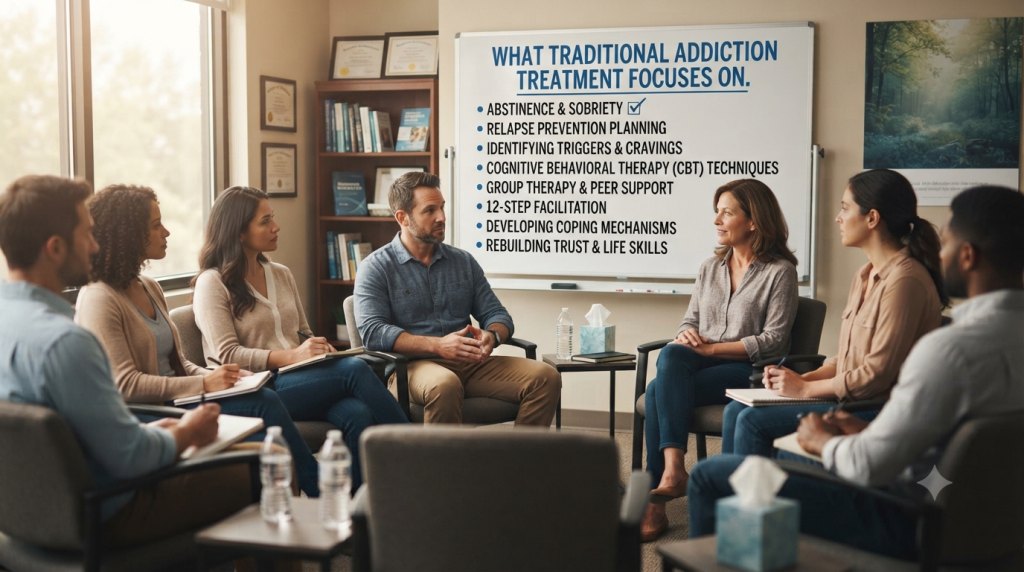
Typically, addiction treatment aims at a single goal: assist a person to get clean and to stay clean. Treatment may be medical detoxification, one-on-one or group counselling, development of relapse prevention plans, medication (if applicable for a drug), and peer-support (12-step) meetings.
They may help you recognise your triggers and cravings, develop healthier habits, and repair your damaged relationships. Some treatments offer psychological therapies.
The difference is coordination and extent. In a treatment oriented mostly towards addiction, a mental health condition might receive limited treatment, be referred to an external provider, or put on the back burner. If symptoms of a mental health condition – like anxiety, depression, or trauma memories – are prompting you to use substances, the treatment for that condition is necessary.
How Dual Diagnosis Treatment Addresses Two Conditions Together

Having a substance use disorder and also living with a mental illness is what is meant by the term “dual diagnosis.” You might also hear it called “co-occurring disorders.” Some examples include: alcohol use disorder and depression; stimulant use and ADHD; or opioid use and post-traumatic stress disorder.
A dual diagnosis treatment program treats you for both your substance use disorder and your mental health condition simultaneously. Rather than requiring you to be in sobriety first before starting on your mental health treatment, the team creating your plan treats both aspects of your health at once. A program like this usually provides the following:
- A psychiatric evaluation alongside a substance use assessment
- Treatments like dialectical behavior therapy (DBT) and cognitive behavioral therapy (CBT)
- Trauma-informed care when past experiences play a role
- Medication management when appropriate
- Regular communication among therapists, medical providers, and psychiatric staff
The Substance Abuse and Mental Health Services Administration (SAMHSA) suggests integrated care for co-occurring disorders, associating it with less drug use, enhanced psychiatric functioning, reduced hospitalization rates, and a higher quality of life.
Key Differences Between Dual Diagnosis and Traditional Addiction Care
Programs vary widely, but this comparison shows the general pattern.
| Area of care | Traditional addiction treatment | Dual diagnosis treatment |
| Main Focus | Substance use | Substance use and mental health |
| Assessment | Centers on addiction history | Adds a thorough psychiatric evaluation |
| Treatment plan | Built around sobriety goals | Connects goals for both conditions |
| Care team | Addiction counselors and support staff | Addiction and mental health professionals working together |
| Relapse Prevention | Targets cravings and triggers | Also tracks mood changes and psychiatric symptoms |
Why Treating Mental Health and Addiction Together Matters
Imagine someone who uses alcohol to quell the constant background anxiety. They are assisted to stop drinking in rehab, yet the anxiety doesn’t disappear when they get home. Without some effective way to address this, alcohol may again present itself as the only answer.
The circle can also turn the other direction. Substance abuse can interfere with one’s sleep, mood and focus, worsening psychiatric symptoms and complicating their treatment. With integrated care, you can understand these interactions and receive help for them both.
Signs You May Need a Dual Diagnosis Program
Diagnosing co-occurring disorders requires a trained professional, but you may want to consider getting an assessment if you notice:
- You use substances to cope with stress, sadness, fear, or sleepless nights
- Mental health symptoms continue or grow stronger during periods of sobriety
- Previous addiction treatment helped for a while, but relapse followed
- You’ve been diagnosed with a mental health disorder and you also have issues with drugs or alcohol.
- There is a history of trauma that still affects daily life
In case you or someone you care for is having thoughts of self-harm, reach out immediately by calling or texting 988 if you are in the US. Dial 911 in case of a medical emergency such as severe withdrawal.
Questions to Ask Before Choosing a Florida Treatment Center
Numerous programs reference mental health, so don’t focus solely on the terminology.
- Will I be given a psychiatric evaluation and who will conduct it?
- Is there an integrated approach to the treatment of my addiction and any mental health issues?
- What types of licensed clinicians will be members of my treatment team?
- How are medications prescribed and monitored?
- What levels of care are provided, and do you offer services if I need to complete a detoxification program first?
- Can you describe your aftercare, and will my insurance plan cover the cost of treatment?
Taking the Next Step Toward Whole-Person Recovery in Florida

Essentially, the primary difference between the two types of care is scope. The standard addiction treatment centers on drugs and alcohol specifically. Meanwhile, dual diagnosis treatment addresses the other co-occurring disorders, too. If there’s more to your experience than just substance abuse, there should be a place for it in your care.
Revolution Recovery Center in Boynton Beach, Florida, provides Dual Diagnosis care for adults through partial hospitalization (PHP), intensive outpatient (IOP), and outpatient programs. Contact the team to talk through your experiences, ask the above questions, and learn which level of care may be right for you. An honest conversation can be a strong place to begin.
Contact details
- Company name – Revolution Recovery Center
- Corporate Address – 415 S. Federal Highway, Boynton Beach, FL 33435
- Call Now – (866) 890-7286 24/7 Support Available
- Email Address – info@revolutionrecovery.com
Frequently Asked Questions About Dual Diagnosis Treatment
How do I know if I need dual diagnosis treatment?
Without a professional assessment, you can’t really know for sure. An assessment is definitely worth having if you have a tendency to self-medicate with alcohol or drugs to relieve your anxiety, depression or other painful experiences, or if your symptoms remain after you stop using.
What makes dual diagnosis treatment different from regular rehab?
Traditional rehab primarily guides you in quitting drugs or alcohol. Dual diagnosis treatment addresses both your addiction and your mental health at the same time with a single integrated treatment plan.
Do I have to get sober before I can get help for my mental health?
An integrated program has you working on them simultaneously. If you’re at risk of withdrawal, you may require medical detox first, so be open about what substances you use and how often you use them.
What if I’ve never been diagnosed with a mental health condition?
You are still able to ask for help. A psychiatric assessment can reveal if you have a mental health disorder, and your care team can design a treatment plan based on the assessment.
Will I have to take medication?
Not always. Your health provider will determine if it is appropriate for you, but you can discuss the benefits, side effects and alternative choices before you decide.
Can I keep working or studying while I’m in treatment?
That would largely depend on the level of care you require. Programs such as intensive outpatient and regular outpatient leave more flexibility for fitting your treatment around work or school commitments, whereas partial hospitalization consumes much more of your time.

Medical Practitioner