









Medically Reviewed by: Alyssa DeStefano, LCSW, Licensed Clinical Social Worker | Revolution Recovery Center
Let’s be real: finding addiction treatment can seem pretty daunting. You Google luxury rehab Florida, and before long you’re looking at hundreds of sleek, professional websites boasting ocean views, luxurious accommodations, and results that last a lifetime. But how do you determine which of those facilities has what it really takes to keep you or your loved one sober for a long time to come? The fact is, luxury only accounts for a very small part of the treatment equation. What truly makes a difference is clinical excellence, customized care, and ongoing support. We’ll take you through everything that matters most, so you can rest assured that your choice is the right one.
What Makes a Luxury Rehab Different From a Standard Treatment Program?
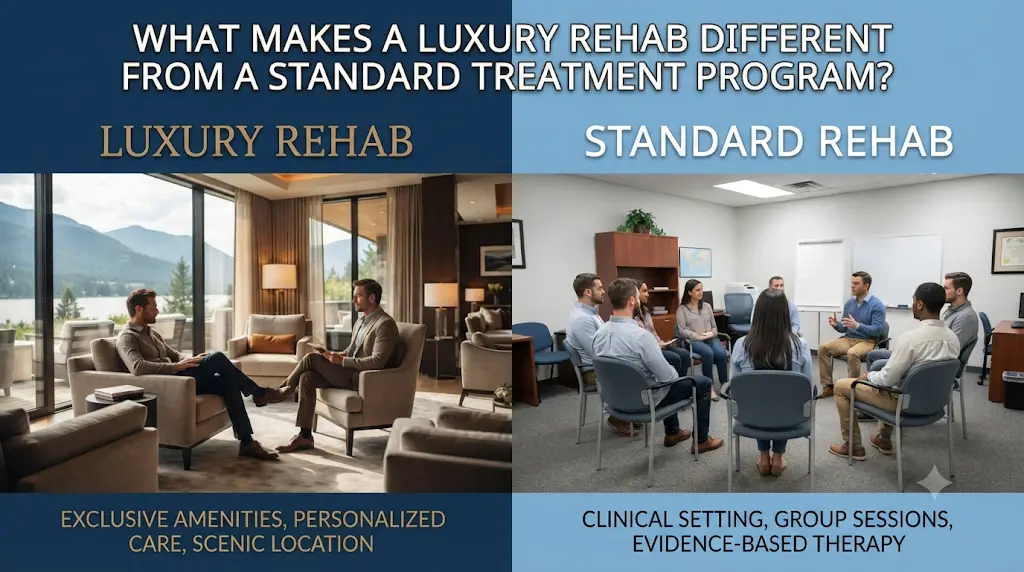
This word is a little deceiving. When you are at a luxury program, it is not a place for luxury, but for your healing. Luxury rehabs in Florida typically have private or semi-private rooms, smaller client-to-staff ratios, and a relaxed and comfortable environment compared to larger institutional facilities.
Yes, privacy and comfort are actually a big deal. Feeling secure and that you’re being treated respectfully can lead to less distraction in your sessions, sticking to the plan, and a much higher chance of seeing the whole program through.
Why Accreditation, Licensing, and Clinical Credentials Should Come First
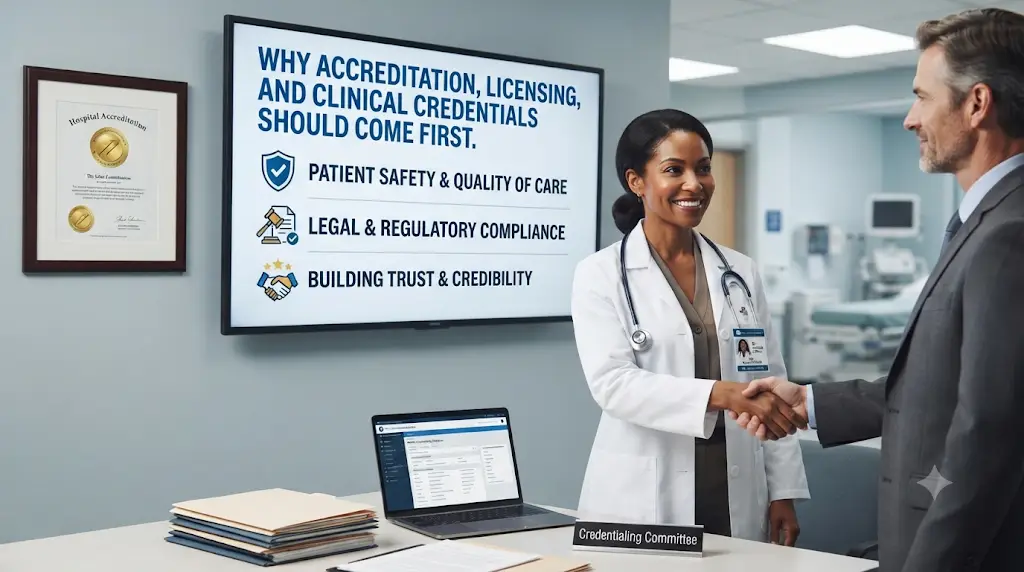
Inspect the Accreditation: Look for the right accreditation before you get to the pictures of the assisted living facility. There should be a registered license given by the state of Florida and even a federal accreditation given by the Joint Commission or CARF, which would give the assurance that the program offered is already at the standard level.
Are there licensed therapists, board-certified physicians, addiction specialists, and psychiatrists on the team? The top luxury Florida rehab centers are transparent about the process of treatment and the qualifications of their clinical staff. If they aren’t, then that should be a warning sign to you.
How Personalized Treatment Plans Support Lasting Sobriety
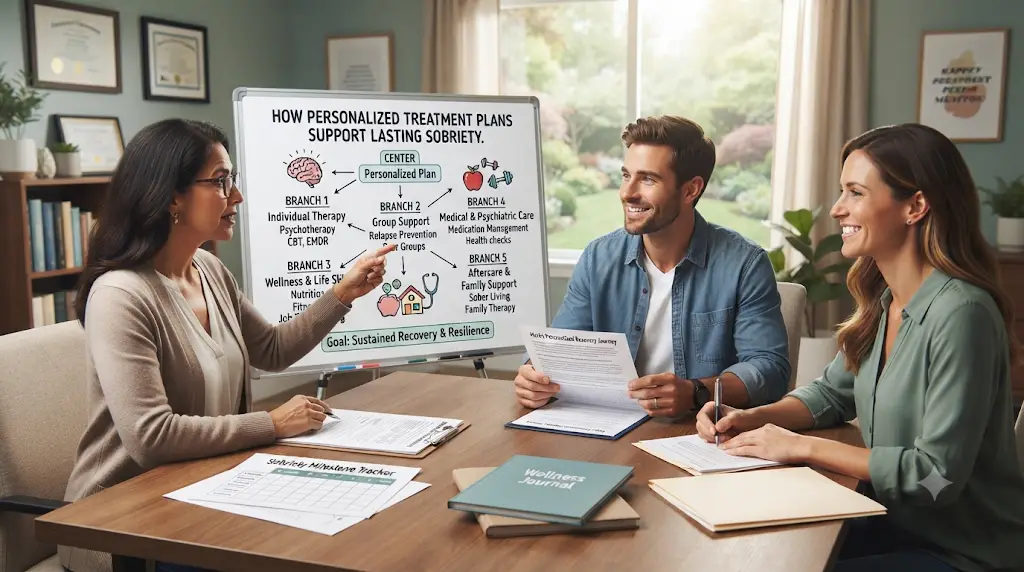
Every single individual is different and so should be their recovery plan. The ideal program starts with an evaluation of your substance use history, mental health, medical status and personal goals. Your care team then tailors a plan designed around you.
Individual sessions, group meetings, family counseling and the use of specific therapies like cognitive behavioral therapy (CBT) or dialectical behavior therapy (DBT) could be part of that plan. One-size-fits-all schedules typically don’t work for long-term change. Before you settle on a program, check how the treatment plan adapts to your evolving needs.
Which Amenities Actually Matter When Comparing Luxury Rehab Centers in Florida?
Amenities can aid recovery, but only in conjunction with quality clinical care. Things to look out for include:
- Nutritious, chef-prepared meals that support physical healing
- Gyms, yoga, and outdoor adventures that shape healthy habits
- Quiet spaces for reflection, meditation, or journaling
- Comfortable, private accommodations that encourage rest
There is real value in Florida’s warm climate and great outdoors. Fresh air and outdoor activities can provide stress relief and lift mood, which can be beneficial during the first few weeks of treatment. Just keep in mind, a spa atmosphere is a secondary, not primary, consideration.
Why Dual Diagnosis and Holistic Therapies Make a Real Difference
Addiction doesn’t happen alone. Many of us who struggle with addiction also have an underlying mental health condition such as anxiety, depression, trauma or other issues. If those conditions are not addressed, the risk of relapse is much higher. That’s where dual diagnosis care comes into play.
But holistic therapies can augment this effort. Mindfulness, art therapy, acupuncture, and equine therapy can assist you in better coping with your feelings and your stress. Enquire about what you are considering, and how it will utilize a combination of traditional therapy with alternative methods.
What Does Aftercare Look Like, and Why Is It Essential for Long-Term Recovery?
Completing a residential program is an important achievement and an exciting turning point, but it’s not the end. The period after treatment is the most unstable, which is why you should formulate an aftercare plan long before your loved one leaves treatment.
Consider programs that have step-down options like partial hospitalization or intensive outpatient and sober living referrals, alumni groups, and continuing therapy. The best luxury rehab Florida programs understand that recovery is a process that lasts a lifetime and continue to maintain contact with their clients after discharge. Find out what follow-up exists at 30 days, 90 days, and one year post-discharge.
What Questions Should You Ask Before Committing to a Program?
If you are speaking with an admissions team, ask straightforward questions:
- Tell me about the staff qualifications and ratio of staff to client
- How do you treat co-occurring mental health conditions?
- What can I expect a typical day to include?
- What insurance plans do you accept and what are the prices?
- What aftercare do you do?
Transparent, honest answers will reveal a facility that has nothing to hide. A rushed feeling or feeling pressured to say ‘yes’ is also very instructive.
Final Thoughts: Choosing a Path You Can Trust

The decision to attend one of the luxury rehabs in Florida is a serious one, but it doesn’t have to be an overwhelming experience. Consider accreditation, individualized programs, dual diagnosis treatment, and aftercare planning, and choose a rehab based on your comfort level and the quality of the accommodations. For a program that takes a holistic approach to addiction treatment, offers a safe haven to recover in, and then provides the tools for effective lifelong change, Revolution Recovery Center is a name to consider. Call now for more information about your options.
Contact details
- Company name – Revolution Recovery Centers
- Corporate Address – 415 S. Federal Highway, Boynton Beach, FL 33435
- Call Now – (866) 890-7286 24/7 Support Available
- Email Address – info@revolutionrecovery.com
FAQs
1. What exactly makes a rehab “luxury,” and is it worth the extra cost?
Great question. Good programs often include private rooms, a more favorable staff-to-client ratio, chef-catered meals and a more laid-back atmosphere. If it’s worth the cost really depends on your needs. For some, the extra privacy and amenities support their ability to actively participate in the program and make it more likely they’ll complete it successfully – but check that the clinical care lives up to the facilities.
2. How long should I stay in treatment to give myself the best chance at lasting recovery?
The average program lasts 30, 60 or 90 days, and data suggests the longer, the better. But what’s best for you depends on your unique situation. Based on your history, current state of health and your progress while in the program, your team will offer a recommended length of stay. Some recovery programs offer sober living as well, another crucial step in your journey.
3. Will my insurance cover a luxury rehab in Florida?
It depends-at least some of the time. Several facilities partner with the largest insurance companies and take insurance for detox, therapy, and medical treatment, but you may need to pay for more luxurious accommodations. The best way to know for sure is to call the admissions department and have them walk you through what your insurance will cover. It’s often free and a snap.
4. Is my privacy protected while I’m in treatment?
Yes. All licensed facilities must adhere to confidentiality and privacy regulations like HIPAA, so your information can’t be shared without your written consent. Several of the luxury programs in our list also offer private rooms, discreet scheduling, and even a professional program for those who wish to keep their addiction private. If privacy is a concern for you, inquire exactly how they protect it.
5. Can I bring my phone or laptop, or stay in touch with work and family?
Some may restrict device usage early on in treatment to help you focus on your recovery, but open them up later in treatment. Many programs have family phone calls, visits, and/or family therapy. It’s best to ask early to set expectations and avoid disappointment.
6. What if I also struggle with anxiety, depression, or trauma?
You’re not the only one. People with mental health issues often struggle with addiction as well, and those issues need to be addressed in order to prevent relapse. Search for a program that provides dual diagnosis treatment, with a psychiatrist and therapist on staff – not an addiction-only facility.

Medical Practitioner