










Medically Reviewed by: Alyssa DeStefano, LCSW, Licensed Clinical Social Worker | Revolution Recovery Center
Let’s be honest here: one of the very first questions people ask when they’ve decided that they’re ready to get help for addiction is, “But how much is this going to cost?” That’s understandable, and there’s no need to be bashful about asking it. The great thing about outpatient treatment in Florida is that it tends to be much more affordable than inpatient treatment, and there are more options available to help you pay for it than you might think. The not-so-great thing is that there isn’t just one, simple price that applies to everyone. Your bill can be affected by quite a few variables. In this piece, we’ll explore the typical costs of outpatient care, the factors that influence the overall expense, and how to keep treatment affordable.
What Outpatient Addiction Treatment Typically Costs in Florida
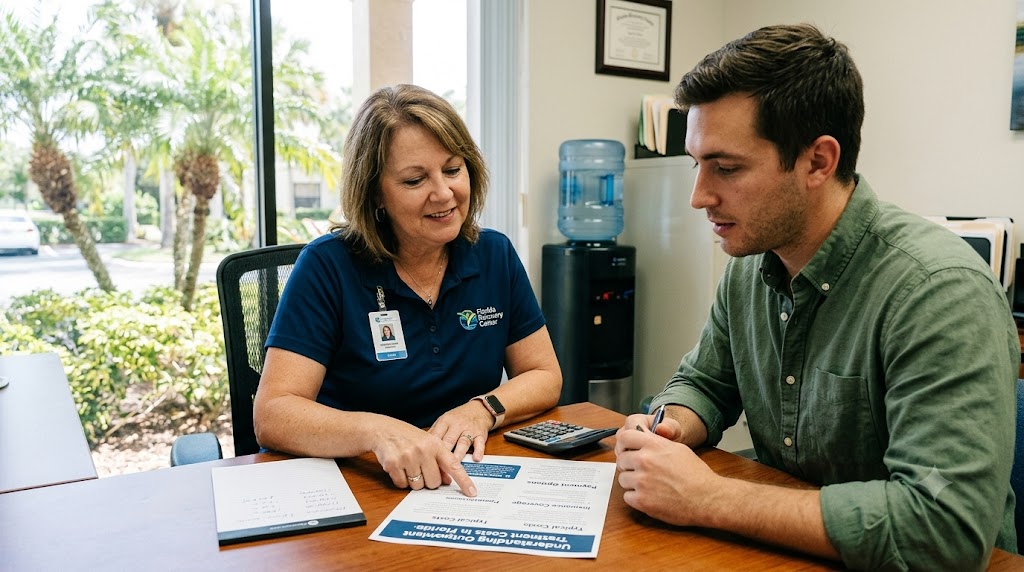
Prices can differ a lot from one provider to the next, so use these figures as ballpark ranges, not specific quotations. Outpatient treatment programs, which typically have you come in to the facility one to two days a week for one or two hours at a time, typically range from about $100 to $200 a session. Intensive outpatient programs, which typically require attendance several days a week for a few hours per day, tend to range from about $3,000 to $10,000 for a course. Partial hospitalization programs (PHPs) offer greater structure with the same sleeping arrangements, though generally cost more than an IOP but less than a residential stay.
Request a written estimate in advance from a provider as the above figures are subject to change depending on the below.
The Level of Care You Need Changes the Price
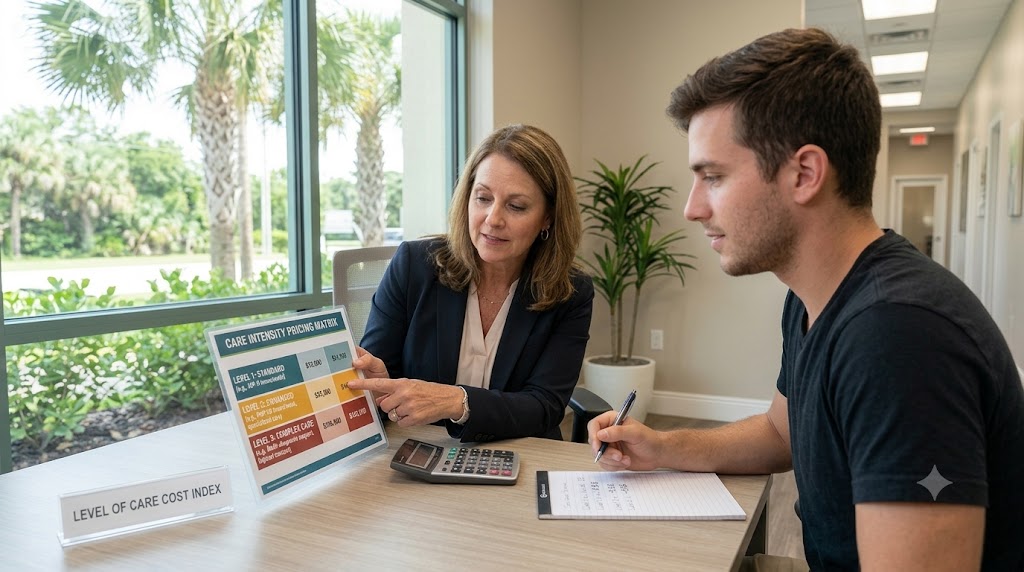
Not everyone requires the same level of care. A person who has a mild substance use disorder and who has a stable home life might succeed in weekly counseling. A person with a history of use that’s been more problematic, or who has relapsed, might need an IOP or PHP. The higher the weekly hours, the more staff time, which means the level of care is more expensive.
How Long Your Program Lasts Affects Your Total Bill
Most outpatient programs last around 8 to 12 weeks, although some clients may remain in treatment even longer. Without a standard duration, your overall bill will be contingent on the length of treatment your team determines is appropriate, and your response to the regimen. The program will often include lighter, weekly contact following the higher-intensity initial phase, reducing weekly expenses.
Services Included in Your Treatment Plan Matter
Two programs with the same hours may have different prices if they include other services. You’ll usually get: individual therapy, Group counseling, Family counseling. Additional services that can increase the bill include:
- Medication-assisted treatment (MAT): Medications such as buprenorphine or naltrexone, along with visits to a doctor to take those medications
- Testing for drugs and alcohol: During treatment, students will be tested often.
- Co-occurring treatment: Management of dual diagnoses, such as anxiety, depression, or PTSD
- Psychiatric assessments: Medicinal management of mental health issues
These services can be beneficial to the effectiveness of treatment so you might want to consider these compared to the cost rather than just avoiding these.
Your Insurance Coverage Can Cut Costs Dramatically
For others, it’s the cost of insurance. Federal parity rules require that most health plans pay for substance use disorder treatment as they would any other medical care (out-of-pocket costs will vary by plan). Important concepts to understand when shopping for or considering coverage are deductible, copay or coinsurance, out-of-pocket maximum, and whether or not your provider is in-network (care that is out-of-network can cost a lot more).
The easiest way to take the first step is to contact your insurance company or have the treatment center perform a benefits check. Many quality centers will do this without charge.
Provider Type and Location Play a Role
Location can influence cost. You might pay a lot more in a high-volume place such as Miami or Palm Beach County than in a smaller market. And whether the program is hospital-affiliated or independent outpatient can have an impact, too. More-expensive care doesn’t necessarily indicate better care; you’ll want to check if the program is licensed and accredited, as well as the provider’s credentials and the science-based approach of care.
Ways to Pay If You Don’t Have Insurance
Insurance isn’t the only way to get help if you can’t afford it. Find out about these options:
- Sliding-scale fees based on your income
- Flexible payment options that allow you to pay over a period of time
- State-funded services in Florida and services through community behavioral health providers
- Medicaid, if you’re eligible
- HSA or FSA money, which can be utilized for treatment in lots of circumstances
Ask if you need a hand. Most places will prefer you to compromise than lose a paying patient.
Don’t Forget the Hidden Savings of Outpatient Care

The cost of outpatient treatment also adds up in more indirect ways. By remaining in your own home, the expense of residential room and board is eliminated. Continued employment and schooling mean ongoing income. The longer-term costs of untreated addiction (medical bills, court fines, lost income, etc.) make treatment a worthwhile investment.
Final Thoughts: Getting Clear Answers on Cost
Outpatient drug rehab in Florida varies in price based on the type of treatment you need, the length of your program, the services you need, your insurance, and the facility you select. The most important thing you can do is ask questions and get a quote in writing. When you’re prepared to learn about all the treatment options we offer, Revolution Recovery Center can help you understand what treatment will entail, check your insurance benefits, and go over costs with you so there aren’t any surprises once treatment begins. Call today for a free consultation; taking this first step might be the most important thing you do.
Contact details
- Company name – Revolution Recovery Centers
- Corporate Address – 415 S. Federal Highway, Boynton Beach, FL 33435
- Call Now – (866) 890-7286 24/7 Support Available
- Email Address – info@revolutionrecovery.com
FAQs
How much should I expect to pay for outpatient addiction treatment in Florida?
Outpatient sessions typically are $100 to $200 per visit, and most outpatient programs, like IOPs, add up to a total of around $3,000 to $10,000. These are ballpark figures, so get written estimates in hand before beginning the program.
Is outpatient treatment really cheaper than residential rehab?
Generally, yes. You don’t have room and board costs like you would with a residential stay. And you have the option to continue working or attending school so you don’t lose out on pay while you get better.
Will my insurance cover outpatient addiction treatment?
Probably at least in part. Federal parity laws must make sure that substance use benefits are provided at the same level as other types of medical benefits. What you have to pay depends on your out-of-pocket deductible, copay, or coinsurance, and whether the medical provider is in your health insurer’s network. The best way to learn more is to call your insurance company or have the treatment center verify your benefits.
What if I don’t have insurance? Can I still get help?
For sure. There are programs with sliding scale fees for treatment based on income, payment plans, and assistance filling out the Medicaid application if you’re eligible. If you live in Florida, there are state-funded and community behavioral health programs. Using HSA or FSA funds is another option for some types of treatment.
Why do two outpatient programs have such different prices?
A few factors may also be differentiators: hours a week of care, duration of program, types of services provided and location of the facility. Additional services like medication-assisted treatment, drug testing or dual diagnosis care might add to the cost. Just because a program is more expensive doesn’t necessarily mean it offers better quality care, so check licensing and staff qualifications and philosophies.
How long will I be in treatment, and does that change my total cost?
Many outpatient programs are between 8 and 12 weeks, though some people require a longer program. You pay per week of time in the program, so a longer program is going to cost a little more. The positive side is that many programs allow you to “step down” to lighter weekly support, which can lower your weekly cost.

Medical Practitioner