










Medically Reviewed by: Alyssa DeStefano, LCSW, Licensed Clinical Social Worker | Revolution Recovery Center
If you or your loved one has begun doing some research into treatment for addiction or mental health, chances are you’ve come across the terms “treatment plan” and “recovery plan” thrown around as if they are interchangeable. Honestly, I see why people get them confused. Both sound very professional; both include goals; both exist to make you better. However, they are not the same thing, and understanding the differences can take some of the confusion out of your entire process. It’s like constructing a house: one plan charts out the framing and structure of the building; the other outlines your plans for living in the house for the next 40 years. So let’s start at the beginning and talk in layman’s terms about what each one does and why you need both.
What a Treatment Plan Is and What It Includes
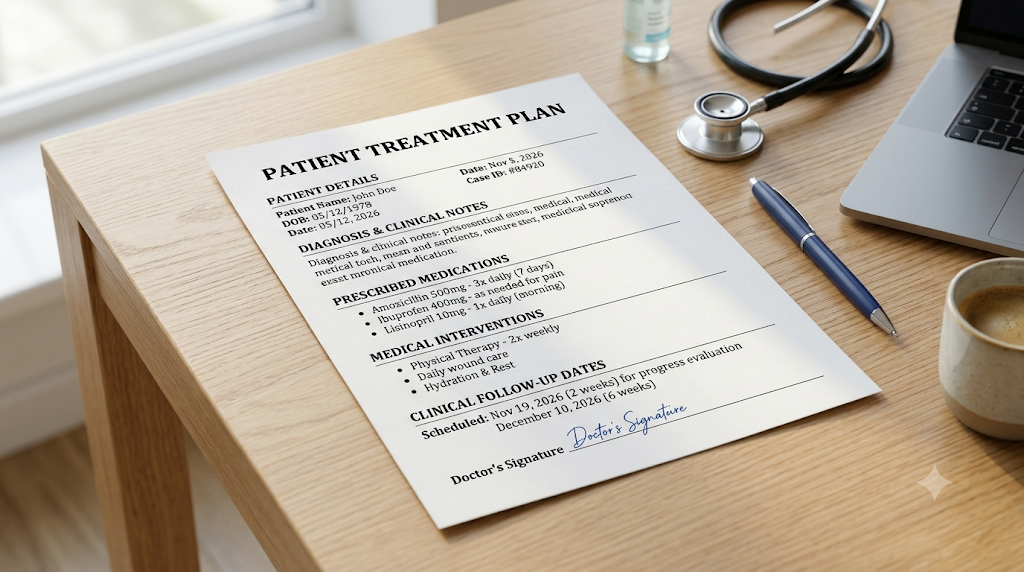
A treatment plan is a clinical plan of action developed by your service team. Once assessed, a clinician or therapist notes what you are having trouble with, the diagnosis or concern to be treated and what services will treat it. The treatment plan is typically a team effort.
A standard treatment plan should include:
- Diagnosis and presenting concerns
- Specific, measurable goals
- Types of care, including detox, therapy, medication management, or group sessions
- How often you will attend sessions
- Timelines for reviewing progress
Simply put, a treatment plan responds to the question, “What care am I getting today, and how are we going to do it?” It is comprehensive, clinical and designed to bring your health to a place of stability. And since it is revisited often, it provides you and your team with a common tool to track progress.
What a Recovery Plan Is and How It Supports Life After Treatment

A recovery plan is much bigger and much more individual. While a treatment plan is primarily contained in the clinical realm, a recovery plan lives in your real world. It’s the collection of actions, supports, and mindsets that you employ to maintain wellness long after treatment sessions conclude–or even while they are still ongoing.
The majority of recovery plans tend to include:
- Daily routines, sleep, nutrition, and exercise
- Identified triggers and ways to handle them
- Support people, sponsors, or peer groups
- Healthy hobbies and sources of meaning
- A plan for when cravings or setbacks occur
A recovery plan is still asking different questions: “What do I need to do to take care of myself?” You are the one writing the plan, even if someone is helping you write it.
Key Differences Between a Treatment Plan and a Recovery Plan
Although the two plans overlap, they serve different purposes. Here is a simple way to tell them apart:
- Who leads it: The providers direct a treatment plan; you direct a recovery plan.
- Focus: Treatment plans address symptoms and clinical needs; recovery plans focus on lifestyle, relationships, and overall well-being.
- Time frame: Treatment plans have an end date while recovery plans keep changing for years.
- Where: Treatment occurs in sessions, clinics, and programs. Recovery takes place at home, work, and throughout your community.
- Flexibility: Treatment plans adhere to best practices, but recovery plans can be modified whenever your needs change.
Neither one is better than the other. They simply do different jobs.
Why Treatment and Recovery Plans Work Best Together
Visualize completing a treatment program without any idea of where you’ll be the following weeks. You might feel good in the moment but go back to the same triggers, the same peer groups, the same behaviours that contributed to your relapse. Which is the very reason that relapse risks tend to be highest immediately following structured care.
A plan for treatment gets you well. A plan for recovery keeps you that way. When they’re combined, your therapist can help you relate what you’re learning to life challenges outside of therapy, like negotiating a difficult discussion with a family member or managing a high-stress workday. That translates to an easier recovery process, fewer surprises, and a greater feeling of confident and supported accountability when you share the plans with a trusted loved one.
How to Build a Recovery Plan That Fits Your Real Life

You don’t need to tackle this alone, but a few simple steps can help you begin.
- Begin with the truth: Identify what is going well, what is not, and which occasions seem dangerous.
- Set small, achievable goals: Focus on three meetings a week rather than “fix everything.”
- Create your support network: Make a list of people you would reach out to on a tough day- family members, friends, mentors, professionals.
- Have a plan to manage: Determine ahead of time how to handle triggers, stress, or a relapse.
- Review it regularly: Review your plan each month and change it as you develop.
Keep in mind your recovery plan should be the last thing on your mind. It should be where it is supposed to be, a tool for your healing.
Conclusion: Take the Next Step Toward Lasting Recovery
So, what’s the difference between a treatment plan and a recovery plan? The treatment plan is the clinical approach to help you recover. The recovery plan is the personal approach that ensures you are able to live successfully beyond your recovery. Between these two plans, you are set for the road to recovery.
When you’re ready to begin the journey of building a life both healthy and free, Revolution Recovery Center wants to help. Together, we can design a treatment plan that meets your needs, at your speed, and according to your life. Contact us today and let’s get you on your way to a better life.
Contact details
- Company name – Revolution Recovery Centers
- Corporate Address – 415 S. Federal Highway, Boynton Beach, FL 33435
- Call Now – (866) 890-7286 24/7 Support Available
- Email Address – info@revolutionrecovery.com
FAQs
Is a treatment plan the same thing as a recovery plan?
Almost, and that’s a mistake a lot of people make. A treatment plan is what your care team develops as a clinical strategy to treat your diagnosis and symptoms. A recovery plan is what you do to stay well between visits. They complement each other.
Who creates my treatment plan, and do I get a say in it?
It’s typically written by a therapist or licensed clinician after an evaluation, but you have the right to weigh in. You and your care team should create a treatment plan together based on your concerns, feelings, and goals. If it doesn’t sit well with you, let your team know.
Can I write my own recovery plan, or do I need a professional?
You can draft it on your own but you don’t have to do it alone. Many find it less overwhelming to have help from a counsellor or caseworker who can help identify risks you may not have considered, like a translator or a guide – you remain the author.
How long does a treatment plan last?
It depends on what you need. The plans may be for a period of weeks, or may last months. Your team will update it periodically and update it over time, so it can be changed along the way.
What happens to my recovery plan once treatment ends?
It keeps moving forward. Treatment may end, but your plan for recovery keeps expanding with you. People often review theirs once a month or so to set new goals, add new supports, and include new ways of coping as your life changes.
What if I slip up or relapse? Does that mean my plan failed?
Not at all! A setback just means you might need to make some changes to your plan. Call your support people or care team, identify what caused the setback and make changes to your plan to be prepared for a setback in the future.
What should I include in my recovery plan?
Your daily life, triggers that you are aware of, the people you could reach out to in a tough moment, healthy activities you get pleasure from, and a step-by-step plan for managing cravings or stress. Keep it simple, honest, and doable.
Should I share my plans with my family or friends?
That’s up to you, but sharing can be helpful. The people who care about you can help you more if they know your goals and what sets you off, rather than trying to figure it out. Share what you want.

Medical Practitioner