








College is an exciting experience with new friends, activities, academic choices, and freedom. At times, college also has pressures, such as school demands, finances, social isolation or difficult social pressures, all of which may make drinking or using drugs tempting. Once drinking or drug use starts impacting academics or daily activities, treatment can help a lot.
Different resources and help are available for those who are dealing with the issues in college and need help to get rid of the addiction.
In this blog, we will talk about What Addiction Recovery Resources Are Available for College Students.
Addiction Recovery Resources Are Available for College Students

1. Counseling Services and Mental Health
Almost every college or university campus has counseling available to students. Students can utilize these centers for one-on-one or group counseling instead of external addiction facilities. Students who do not feel they have an addiction are able to talk with someone for guidance around any drinking, using, cravings or concerns they have for a friend.
2. Campus Recovery Programs
Some schools may have specialized recovery programs for those students who need support staying sober while still working on their degree. Many collegiate recovery programs may involve peer support, recovery meetings, sober events, mentorship, or academic assistance. This type of program may be quite beneficial for students because they’ll get to interact with a community that recognizes the difficulties of remaining sober at the collegiate level.
3. Alcohol and Drug Education Classes
A lot of campuses offer educational programs where students can learn more about the impact and dangers of alcohol and drug use. Such programs can include information about making safe decisions, detecting symptoms of a substance use problem, preventing drug overdose, and more about how drugs impact mental and physical health.
4. Peer Support Groups
Peer support may also play a role in an individual’s recovery journey. These may include meetings found on campus or in the community through an organization, such as Narcotics Anonymous (NA) or Alcoholics Anonymous (AA), or other peer-led groups such as AA, NA, or SMART Recovery. Meetings are helpful for the students to meet their fellow friends or batch-mates who have been going through the same issues.
5. Outpatient Addiction Treatment
The outpatient addiction treatment program involves having the student in a professional program for addiction but also maintaining their education by attending class, and possibly residing at their home or on the student’s campus at university or college. During treatment, there will be sessions individually and in group settings for therapy. The student will experience behavioral therapies and educational programs on addiction, including planning how not to relapse into an addiction. If a student does not have to attend an addiction program on site, the outpatient addiction program can seem appealing in order to stay enrolled in school.
6. Intensive Outpatient Treatment
Some students can benefit from more intensive treatment than usual outpatient counseling can offer. Intensive outpatient programs are helps different times in a week. This helps the students to be involved in their daily activities. This is for the students who do not need regular intervention and can get the treatment a few days a week.
7. In-person treatment plans for the students
Providing in-person treatment for the students dealing with severe addiction is more beneficial. These treatment programs help the individual live at the residential center or facility for a period of time in order to have medical supervision of withdrawals, participate in individual therapy, group therapy, and behavior modification treatments, and have relapse prevention planning.
8. School Support While in Treatment
Sometimes, the responsibilities of recovery and schooling simply don’t go hand in hand and students could consider talking to an academic advisor or student support service. Options will vary with college and university but often include things like academic concessions, tutoring assistance, deferred deadlines, extended leave of absence, reduced credit load etc.
9. Health Care and Primary Care Services
Another resource the college health centers provide is medical and primary care services. Doctors and other health care providers can perform tests for substance-use issues, talk with the student about the possible ways to handle the concern, treat health-related issues related to substance use and provide appropriate referrals for addiction specialists.
Medications may be used at one or more points of addiction treatment. The decision to use medications depends upon the specific substance and the individual student’s needs.
10. Family and friends support
Recovery becomes more beneficial when it is done around friends and family. Reach out to a trustworthy family member or friend, and you also be able to obtain positive emotional and academic guidance and also direction from someone such as a teacher, advisor, or mentor. You could be terrified or embarrassed to disclose substance abuse to a family member, friend or someone you count on. Even so, support a friend, family associate you can rely on can make a far simpler process, such as keeping the ability to go to appointments, to help make normal daily life function, to stay in an effective schedule, as well as for support through challenging occasions.
Selecting a Recovery Resource

Finding the correct match: The right match really depends on the specific needs of the student. A student who worries about binge drinking on the weekends and on other holidays might need a therapist or an evaluation. A student who is actually addicted to alcohol needs a program that will help remove the dependence.
Before choosing a treatment plan students might ask:
- What drug are they using?
- How often are they using it?
- Is their schoolwork, social life or health suffering as a result of substance use?
- Does the student have severe withdrawal symptoms?
- Will there be a need for medical assistance for the students?
- Do they have experience in dealing with college-going students?
A professional evaluation of a young adult’s situation can help to clarify which level of care is needed.
Reaching Out for Help Is a Strength
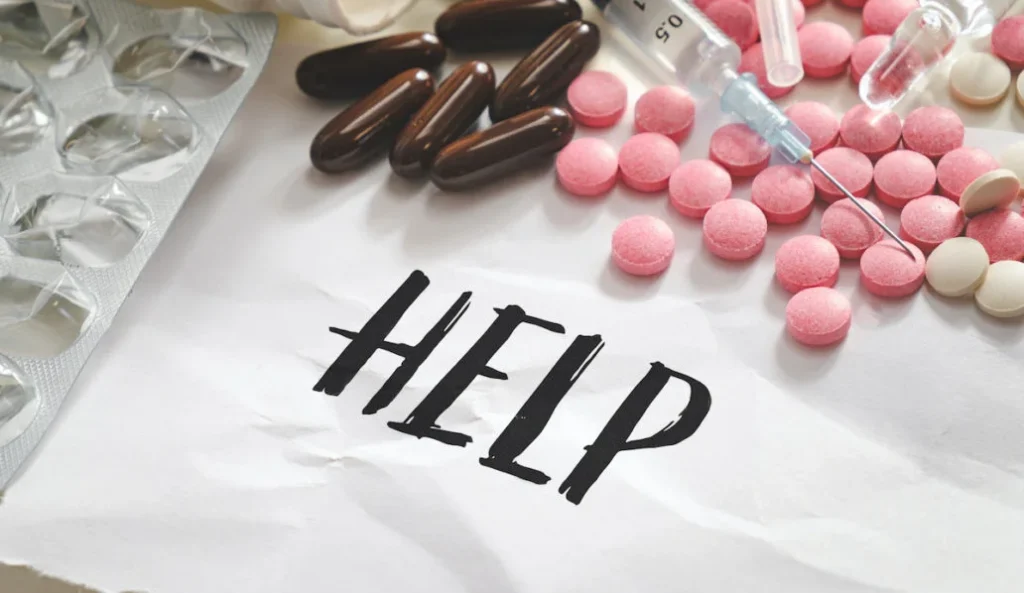
Colleagues may hesitate to seek help for a student with substance use disorder for fear that others will view this as shameful, will have academic ramifications, or that a label may be attached by others. Holding out issues for a long time can worsen them. There are numerous formats that support students in college such as support staff in the Counseling Center, peer support groups, outpatient services, Intensive Outpatient, and residential programming. All are valuable services depending on the individual’s needs.
Sometimes a student might know that substance use is having a negative impact on their college, relationships, body, or mind. Speaking to someone can be a great place to start. No one has to have all the answers to know that they have or that starting somewhere (with a counselor, medical doctor, another trusted adult, or campus services) will offer students a roadmap to a healthy path forward.
Conclusion
There are ample facilities and programs available for students to fight addiction in college. From counseling to on-campus recovery communities, students get many more facilities related to addiction treatment. This helps students to deal with the issues professionally and can help them become good in their academics and other areas.
Revolution Recovery Center provides the best rehab and treatment center to the students and also provides the correct guidance to get rid of substance and alcohol abuse. Feel free to learn in detail about the programs provided by the center for college-going students.
Contact details
Company name – Revolution Recovery Center
Website: https://revolutionrecoverycenter.com/
Phone (24/7): (855) 599-2929
Email: info@revolutionrecovery.com
Address – Corporate Office: 415 S. Federal Highway, Boynton Beach, FL 33435, USA
Frequently Asked Questions
1. How to Get Help for College Student Addiction Recovery?
There are several addiction treatment resources for college students. These include counseling on campuses and partial hospitalization. Student support on campus is a student’s first opportunity.
2. Is there any help available in colleges for addiction issues?
Colleges do provide help to the students dealing with addiction. They provide a proper plan to fight against addiction.
3. What kind of addiction recovery programs exist for students?
Of course! A wide variety of addiction programs exist, from on-campus meetings of AA and SMART recovery to community-supported centers.
4. What if addiction is taking over my college life?
Be clear about the recovery program and classwork can be one or the other. In some cases, especially with off-site treatment of the addicts, the two will coincide.
5. What if the addiction is impacting my studies?
Speak with the counselor or an academic advisor about treatment and academic accommodations.
6. Are treatment options for college students confidential?
Many services for treatment are confidential, but check with the facility as rules regarding your privacy may vary.
7. Can campus health centers provide assistance?
They can assess treatment options and refer students in need of assistance to the right program for them.
8. What is the most appropriate recovery program to enter?
Ask a skilled professional. They can help determine what treatment options best fit each individual and how many levels of care that they may need.
9. Can my family assist me in my addiction recovery?
Family members who can be trusted and who will offer support can be a positive force in helping with recovery.
10. Is there any specific time for college students to talk about their addictions?
Addiction affection there daily life and relationships is a red signal for them to talk to an expert.
“`html