













Medically Reviewed by: Alyssa DeStefano, LCSW, Licensed Clinical Social Worker | Revolution Recovery Center
Chances are if you know anyone you care about to have battled the grips of heroin, then you understand that this is no amount of grit can turn the corner. Because it turns the pleasure receptors of the brain into overdrive in just a matter of weeks the drug holds the addict physically as well as mentally tight with no end in sight, and many individuals will do exactly that in order not to give in. What seems to make addicts feel like there is something inherently wrong about them with regards to their lacking the ‘guts’ is actually the biology that this drug places upon one. Learning why professional support is the right avenue for heroin recovery is much more than simply facts.
So here in this blog, we give you proper information about why heroin addiction requires professional treatment. Stay tuned to this blog.
What Makes Heroin So Difficult to Quit Without Help
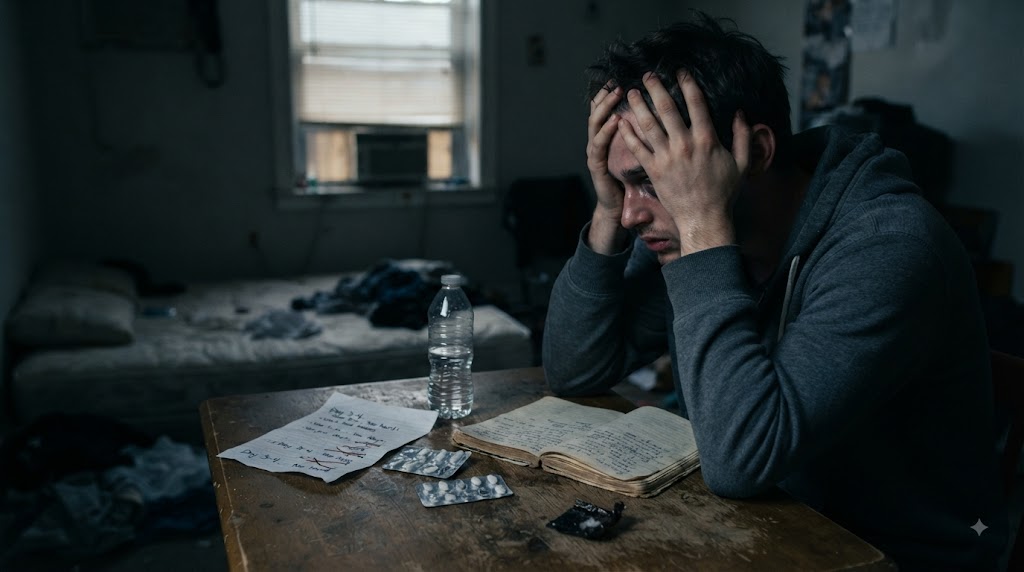
After the heroin hits, it locks into opioid receptors in the brain. Suddenly, massive levels of dopamine course through that part of your brain, sending a sense of overwhelming well-being or euphoria. When a person uses it regularly, though, the body starts to learn the heroin is part of normal brain function, and without the heroin, things begin to break down. That’s when the difficulty of “just stopping” kicks in, and why heroin withdrawal is one of the hardest drugs to stop because you need physical, psychological and social support.
The Dangers of Withdrawal Without Medical Supervision
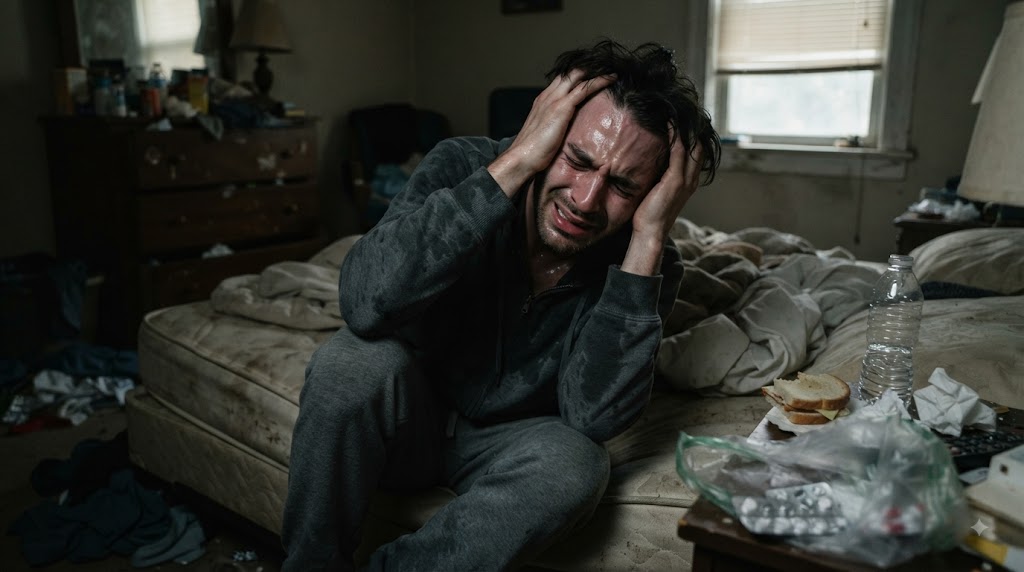
Heroin withdrawal typically isn’t life-threatening (on its own), however, it’s generally intense enough that it takes most people’s will to get through it – and when they attempt to break free on their own it usually ends in them slipping or risking complications.
- Fever, chills and muscle pain(in joints, back, legs and bones)
- Nausea, vomiting and diarrhea
- Increased appetite and restless feeling
- Headache and joint aches
- Intense cravings.
When using any drug or a specific category or group of drugs while withdrawing from another category after a break (re-use is highly advisable if you have never abused drugs or developed significant tolerance before taking the drug you are withdrawing from), the level of your tolerance will decrease dramatically, so that even “normal” levels may bring on a lethal overdose. That is another thing that shows us the necessity of medical detoxification so that it is handled in safe hands.
How Professional Treatment Addresses the Root Causes
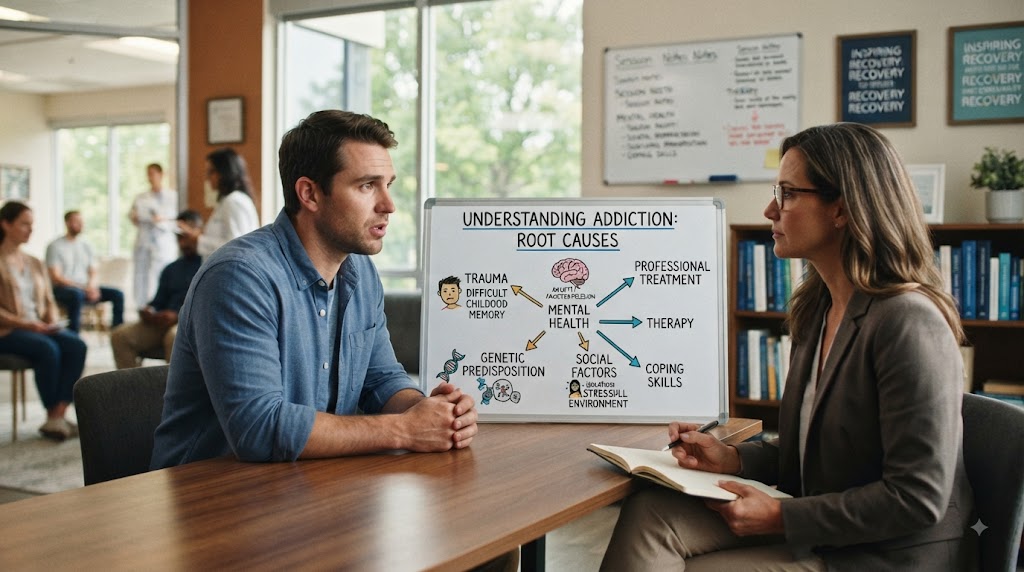
Detox addresses the physical component of heroin addiction, not what’s underlying it. Addiction from a traumatic experience or consistent experiences of stress, anxiety, depression, or unprocessed loss is typically present with heroin use. Because heroin addicts receive medical treatment plus therapy, this allows them to comprehend and resolve the cause of their substance abuse rather than merely stopping use of the substance.
| Treatment Component | What It Addresses |
| Medical Detox | Physical withdrawal symptoms, safety |
| Individual Therapy | Personal triggers, trauma, mental health |
| Group Therapy | Isolation, accountability, peer support |
| Family Therapy | Communication, trust, home environment |
| Aftercare Planning | Long term relapse prevention |
Why Dual Diagnosis Care Matters for Heroin Addiction
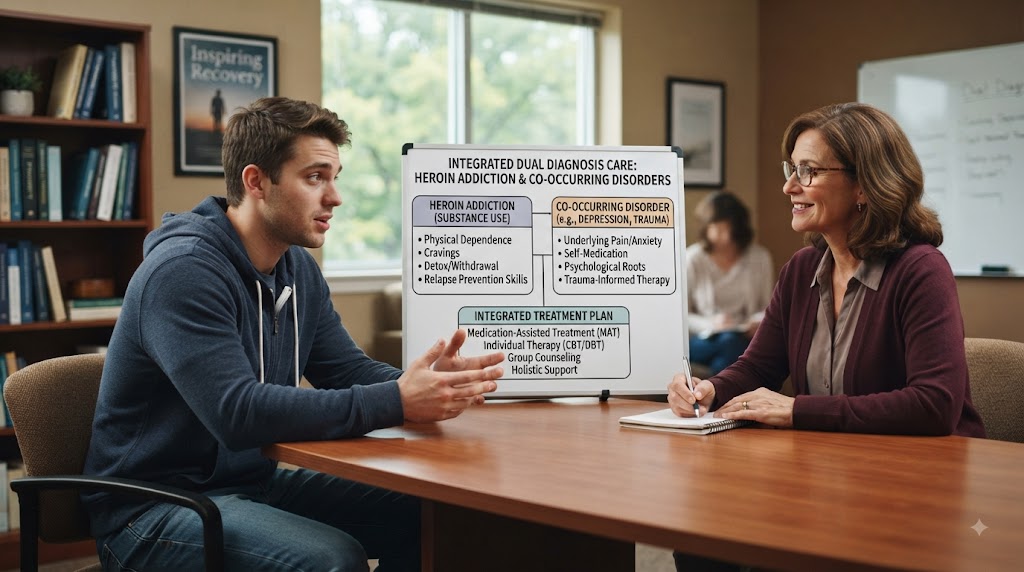
Another commonly used approach to treating heroin addiction is dual diagnosis programs. Hundreds or even thousands of heroin users are living with an undiagnosed or untreated mental health problem; mood disorders, depression, anxiety, and PTSD have often been found to be part of opioid addiction as well, so neither addiction can be effectively treated on its own over the long term. Dual diagnosis programs focus on simultaneously treating these two addictions, the better to help clients gain a solid footing toward sobriety.
The Role of Different Levels of Care in Recovery
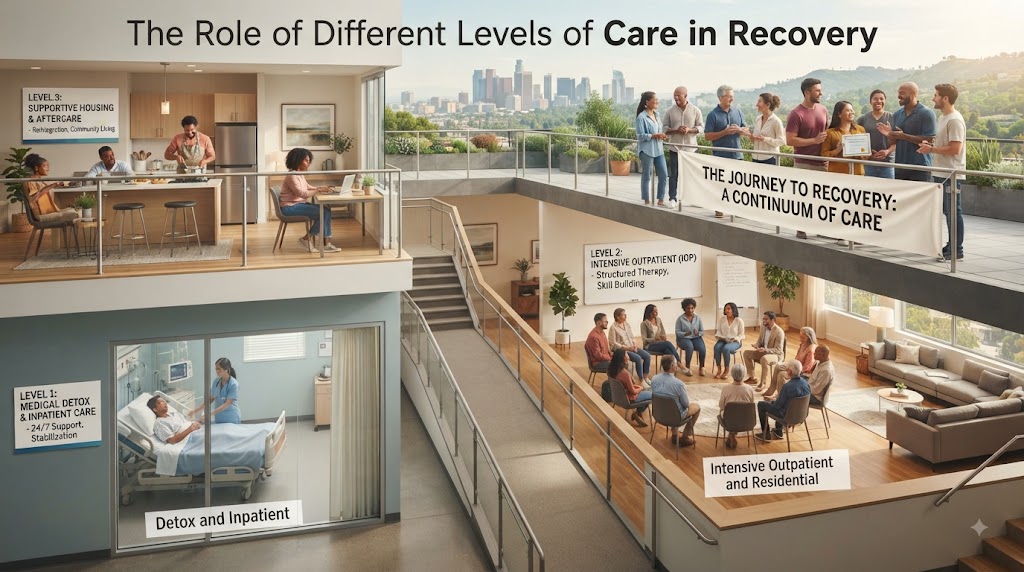
Recovery isn’t linear and often isn’t one-and-done. Most benefit from gradually increasing layers of structure on the way towards independent recovery:
- Medical Detox – safely guides the body toward sobriety through medically assisted programs
- Halfway House – living in a sober, structured environment on a daily basis
- Partial Hospitalization Program (PHP) – comprehensive, structured program available every day.
- Intensive Outpatient Program (IOP) – step-down level of care with increased structure and support to gradually move back into routine daily life.
- Outpatient Therapy – step down from Intensive Outpatient as a part of ongoing recovery and prevention for relapse.
- Sober Living House – sober and supportive environment with no prescribed schedule beyond mandatory attendance at support meetings.
The ‘step-down’ approach ensures the individual does not just ‘cold turkey’ walk out and into ‘real life’ but is helped gradually from a more intensive to a less supportive environment.
Why Trying to Quit Alone Rarely Works
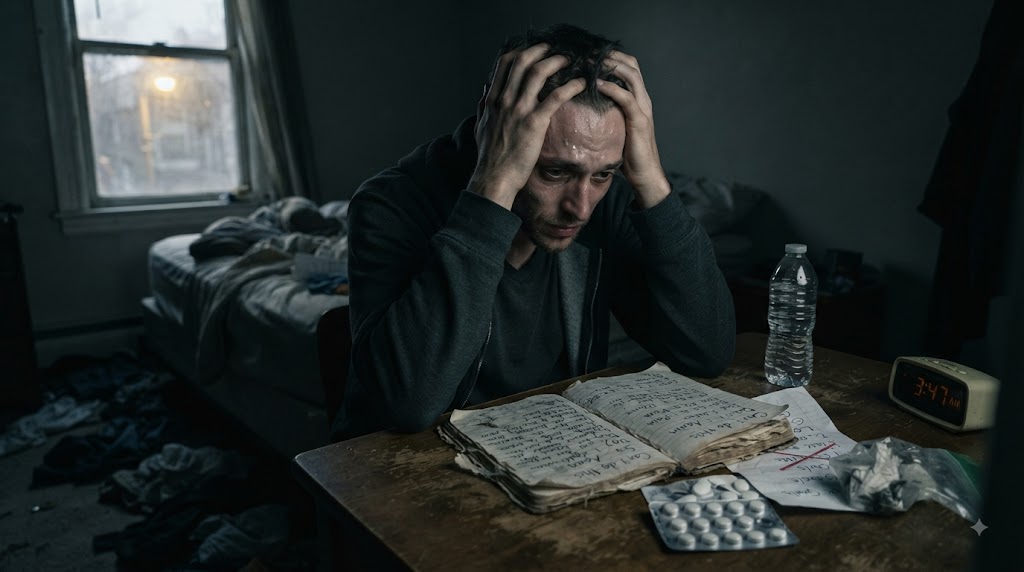
Quitting heroin cold turkey alone means going through withdrawal and all the cravings with the underlying emotion and with no doctors or treatment to support you. Most people are not meant to fight against themselves to overcome their addictions – it’s not the result of some kind of personal failure, it’s the chemistry that’s taken hold in their brain that cannot be adjusted effectively without professional treatment.
Conclusion
Heroin addiction isn’t something that someone ‘just decides,’ or a sign that a person isn’t strong enough, but rather that they may struggle with an illness that needs professional medical care. A licensed provider can provide access to safety, care, and medical interventions that offer individuals a way to leave this lifestyle for good. When heroin has made a home in the life of a client or his or her loved one, help is available. Here at Revolution Recovery Center, we provide comprehensive treatment to not only curb a dependence on this drug but to help the individual develop a realistic road forward to a drug-free existence.
Contact details
- Company name: Revolution Recovery Center
- Phone (24/7): (866) 890-7286
- Email: info@revolutionrecovery.com
- Address: Corporate Office: 415 S. Federal Highway, Boynton Beach, FL 33435, USA
FAQs About Why Heroin Addiction Requires Professional Treatment
FAQs: Heroin Addiction & Professional Treatment
Can I detox from heroin at home on my own?
It is possible in theory, but it’s not and will never be. Symptoms of detox may include heavy nausea and vomiting, aching pains in muscles, and severe addiction and craving pains that may simply not be endured, making you at higher risk of returning to fatal overdose rather than just plain dying alone as you did your first time. This alone makes detox the safer – and by far the most comfortable option.
How long does heroin withdrawal usually last?
Withdrawal symptoms often come on 6-12 hours after last dosage, peak within 2-3 days and decline over 7 days. Everyone goes through the withdrawal process over a slightly different timeframe dependent on duration of use and amount taken, which is where the necessity of medical care comes in.
Do I have to go to inpatient rehab, or are there other options?
Not all centers. Recovery is also very personalized – some may involve detox then inpatient, others a PHP, IOP or outpatient setting if there are requirements like work, family, and education. A trusted treatment team will facilitate locating the level of care right for you and where you are in your recovery process.
What if I think I have anxiety, depression, or trauma along with my addiction?
That’s super common – and it’s actually super valuable to even talk about. Typically treating heroin addiction only – ignoring whatever is driving it underneath (often untreated anxiety, PTSD from past experiences etc) – then relapses happen because there are underlying conditions that need to be addressed also. That’s why dual diagnosis treatment centres aim to do both concurrently and allow you to actually feel as though you’re recovering, not just getting clean.
Will I have to figure out my insurance on my own?
Actually not, in most cases such as Revolution Recovery we also have an admissions team that does the research for us to find out the basics of your coverage and tell you how the process goes. That is more than you needed at the moment as you are already dealing with other issues in life at this moment.
What happens after I finish a program? Am I just on my own again?
No and one of the common misconceptions about rehab is how this program goes the extra step. A quality program has post rehab options. Meaning people, support groups and aftercare with options for relapse prevention resources to help carry you after you leave the program and the staff at rehab have stopped supporting your new way of living, the people are there as and when you need them most as a road toward sobriety.
Is it too late for me if I’ve relapsed before?
Not necessarily. Unfortunately, having a relapse is common in Opioid addiction recovery and it does not indicate a treatment failure and/or lack of capability. It commonly indicates the need for some kind of modification of your existing treatment plan such as increased support level, added level of care, or addressing an omitted issue.
How do I convince a loved one to get help?
While there’s no real right answer when it comes to how to approach this conversation, focusing on concern rather than judgment often helps much more than presenting a hard-edged ultimatum. It can also be helpful to go in prepared to answer questions – perhaps to describe how a day actually appears at the facility – so it no longer seems like just an undefined, frightening option.