













Medically Reviewed by: Alyssa DeStefano, LCSW, Licensed Clinical Social Worker | Revolution Recovery Center
If you’re a veteran seeking treatment, or you’re trying to help a loved one get help for addiction, you understand that seeking treatment for an addiction isn’t the same as finding the perfect doctor or the right gymnastics class for the kids. There are very unique needs for veterans that many treatment programs don’t have the experience to accommodate – the trauma, the experience of camaraderie, the discipline, and the upheaval that often happens when veterans go back home after serving. Florida is a major destination for addiction treatment, with hundreds of treatment centers to pick from, but not all of those addiction treatment centers are ready to properly handle a veteran seeking assistance. Here’s what really matters when deciding where to begin your search.
Look for Programs With Staff Who Understand Military Culture
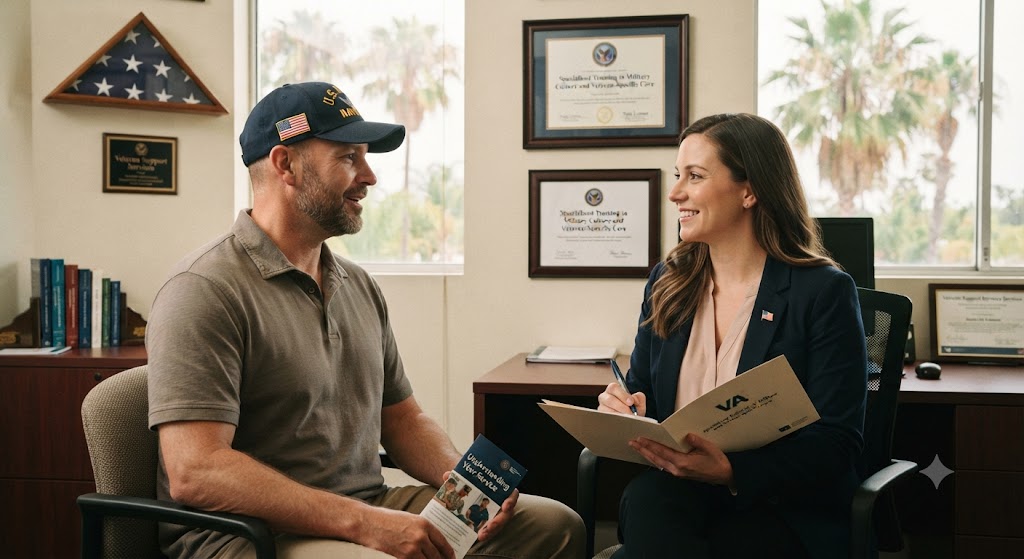
A big part of what sets veteran treatment apart is whether or not the clinical team truly gets what it means to be in the military. This isn’t to say your program has to be staffed with a legion of vets, but it does mean the individuals working with you should understand the ins and outs of military life and know how the chain of command and deployment cycle can complicate mental health. If your therapist can recognize that your fear of asking for help stems from military culture, the therapeutic relationship will build faster. Inquire about the number of clinicians with military experience or specialty certifications when considering a program.
Check Whether the Program Treats Co-Occurring Mental Health Conditions
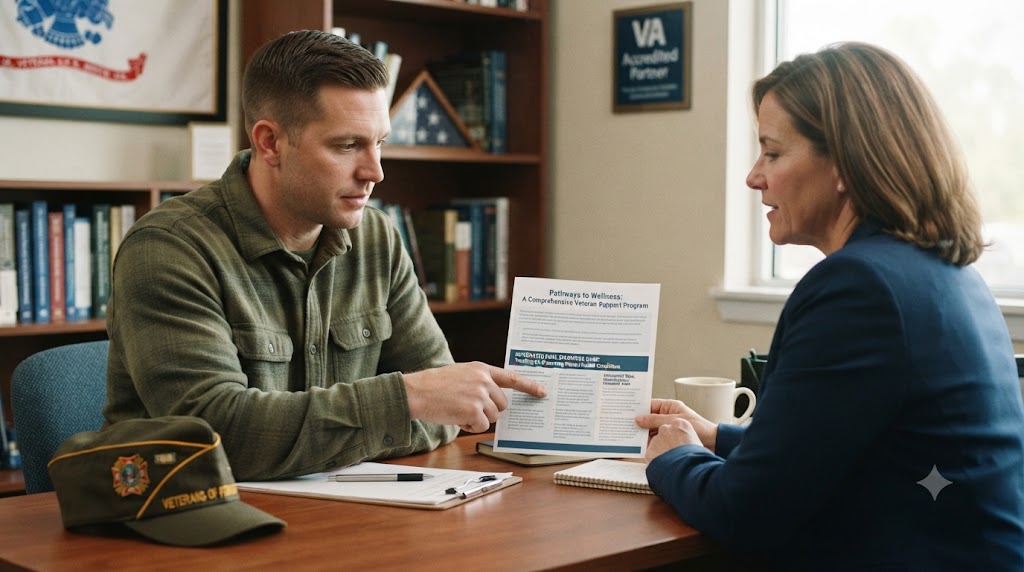
Veterans often come into treatment with a mental health diagnosis such as PTSD, depression, anxiety, or traumatic brain injury. If a person receives treatment for addiction but not the underlying mental health issue, relapse is almost guaranteed. When choosing a treatment center, be sure to ask if they provide dual diagnosis treatment, meaning they treat a person’s mental health disorder and addiction disorders as one. When mental health issues are concurrent with addiction issues, the results are often far better long-term, particularly in combat trauma or service related psychological issues.
Verify That the Facility Accepts VA Benefits or Tricare
Price may be a concern for many veterans and their loved ones, so ask ahead of time if the treatment center you’re considering will take VA health benefits, Tricare, or directly accept the VA Community Care Network (formerly known as the VA Choice Program). There are private treatment centers in Florida that work with the VA to ensure you or a loved one can get the mental health care you need, with minimal upfront costs. Find out the details of any insurance verification, veterans’ discounts or grants, and out-of-pocket costs of any program before making your decision.
Consider Whether the Program Offers Trauma-Informed and Evidence-Based Therapies
Best treatment outcomes for veterans often involve more than typical talk therapy. Facilities using an evidence-informed, trauma-based treatment such as CPT, EMDR, or CBT have established a higher success rate among veterans working through combat stress or moral injury. Be sure to inquire at a facility what type of therapy they practice and how that might be adapted to suit military-style trauma as opposed to a traditional addiction treatment method.
Ask About Peer Support and Community With Other Veterans
Recovery may seem more achievable when no one appears to be going through it alone, and this is a huge benefit for veterans. To foster a feeling of camaraderie and teamwork in recovery, veteran-specific groups are becoming more common and include things like group therapy or peer mentorship communities that are centered on veterans. When surrounded by other veterans who can relate to that feeling of deployment, combat exposure, or even the realities of becoming a civilian again, veterans tend to be more comfortable sharing more openly and remain in treatment longer.
Evaluate the Program’s Approach to Aftercare and Long-Term Support
The road to long-term success doesn’t stop when a program ends – maintaining recovery is crucial, and that can hinge on what comes after. When you’re choosing a treatment program, ask about their plans for aftercare, what outpatient treatment options they have, sober living community options, and use of support groups and therapy, specifically for veterans. Programs that help you put together a transition plan back into your home, job or family are more likely to succeed long-term than those that end at the inpatient or detox phase.
Consider the Facility’s Location and Environment for Healing
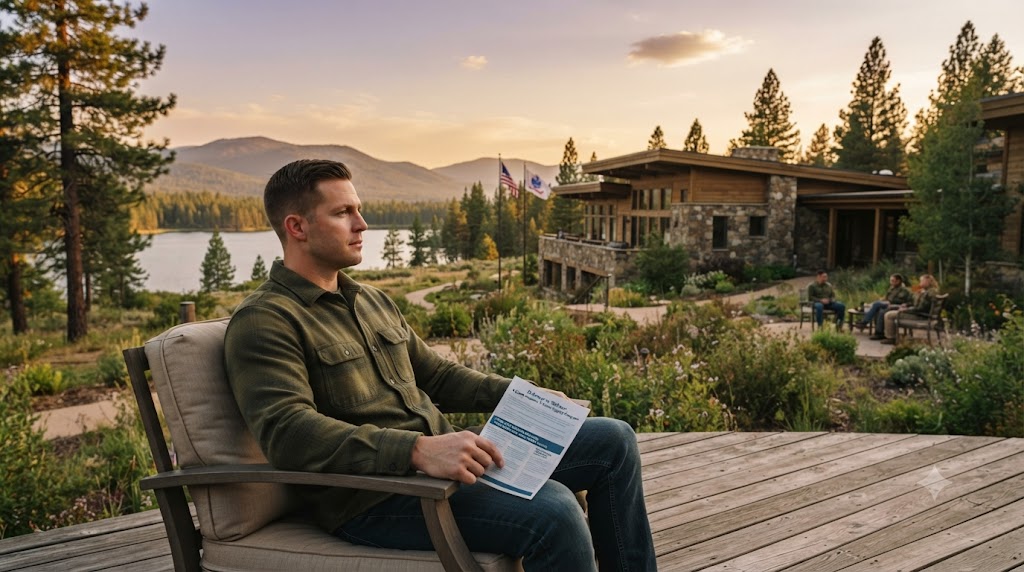
The weather and landscape in Florida may help speed up the healing process. A patient will often respond more favorably to a serene, outdoor-themed setting than to a hospital environment. As you narrow down the search, determine whether the program’s setting provides a recreational center, outdoor activities, or an atmosphere that soothes and relaxes. This is not the only factor to consider, but when people feel safe, their psychological effort in recovery can lessen.
Final Thoughts on Choosing the Right Program for Veteran Addiction Treatment

Finding an addiction treatment program is, and always will be, a very personal decision for each person. For military veterans, that decision may have to be more than just what kind of addiction treatment program is offered; it may have to be a program where the addiction treatment staff truly understands service, sacrifice and the road to recovery that extends after the military. Asking the right questions of potential rehab programs such as staff experience, treatment philosophy, insurance plans accepted and subsequent planning for post-therapy needs can greatly influence which program is the most appropriate for the individual. And there are programs like Revolution Recovery Center that help close the gap between service and recovery by providing military service-informed treatment for veterans in Florida.
Contact details
- Company name – Revolution Recovery Centers
- Corporate Address – 415 S. Federal Highway, Boynton Beach, FL 33435
- Call Now – (866) 890-7286 24/7 Support Available
- Email Address – info@revolutionrecovery.com
FAQs: Addiction Treatment Programs for Veterans in Florida
Q: How do I know if a treatment program actually understands military culture, or if they’re just saying that?
This is a wise thing to be suspicious of, truthfully. A very positive indicator would be if the facility could give you specific figures on how many of their staff have a military background or veteran-specific training and experience, not a generic “we work with veterans” line. Inquire about their expertise around combat trauma, deployment stress or reintegration problems, because if they have that expertise, it’s a far better predictor than a website logo or tagline.
Q: Will my VA benefits actually cover treatment, or am I going to end up with a huge bill?
It’s up to the program, but a good number of programs in Florida will take VA health care benefits, Tricare or are part of the VA Community Care Network. The smartest thing to do is call the treatment center, let them know you’re interested and ask them to check your individual coverage before making any plans or committing to the program. Don’t rely on what you read online-make sure first.
Q: I don’t just have a substance problem — I think I have PTSD too. Does that change what kind of program I should look for?
It really can make a huge difference. Be sure to include only programs that offer dual diagnosis treatment and therapy and not programs that treat addiction and treat the trauma separately. There’s a real tendency to relapse when treating addiction without addressing the pain that was beneath it and this is the important question to ask!
Q: Is it going to help to be around other veterans in treatment, or is that just a nice-sounding idea?
It really does for many vets. There’s an understanding from others who’ve served that’s difficult to achieve in a standard group therapy environment. Veteran-specific peer groups or group therapy can bring that camaraderie back to create that safe space where the veteran feels more comfortable opening up about things they otherwise might not feel comfortable sharing.
Q: What happens after I finish the program? I’m worried about relapsing once I’m back to normal life.
That’s a legitimate concern, and frankly, aftercare planning is just as significant as the treatment. Inquire about the outpatient services, sober living, and military veteran-specific support groups or therapy that any program you are considering offers. A program that anticipates your first few months in recovery makes a better long-term investment than one that is only considering the first few months.
Q: Does the location of the treatment center actually matter, or is that just a marketing thing?
The environment might surprise you. A peaceful, natural setting could really help do the emotional heavy lifting involved in recovering from addiction, as opposed to a clinical setting that resembles a hospital more than anything. That shouldn’t be the only factor you consider, but if a program has outdoor facilities or recreation therapy, take note.
Q: How do I even start looking for the right program without feeling overwhelmed?
Begin by asking a short set of questions involving military-informed staff, dual diagnosis treatment, insurance coverage, and aftercare support, then call multiple treatment centers to assess their responses. Facilities such as Revolution Recovery Center will typically be very forthright and transparent with you about their process, but do not be afraid to delve into the nitty-gritty before committing: this is your recovery, and you need to find the right veteran treatment program for you.
Q: I’m worried about my privacy. Will people find out I’m getting treatment, especially if I’m still active duty or looking for civilian jobs later?
Confidentiality is a priority, and most legitimate centers understand this. Treatment programs must adhere to federal laws regarding the privacy of substance use treatment records – laws that, on the whole, offer greater privacy protections than typical medical record rules. If you are in the military and not currently on active duty, you may want to ask the treatment center how they communicate with command or if they have reporting obligations.