















You have made the decision to stop drinking; that in itself is a big step, and it does take a lot of courage to do. What many people do not realize is that during the first week of quitting, it can be very difficult physically and emotionally. If you have been drinking on a regular basis, your body has learned to rely on the alcohol ingested, so when you remove it from your body, you will experience withdrawal (from the alcohol). The good news is that if you know what to expect within those seven critical days, you can prepare yourself emotionally and lessen your anxiety about what to expect from quitting. No matter if you have decided to go into treatment for an alcohol detox program at a detox facility or if you are going to seek help from a friend or family member, knowing the timeline associated with detoxification can help you to mentally prepare for the next step in your recovery journey and why the need for a guiding professional is so important.
That’s why in this blog we give you proper information about the alcohol detox timeline: what happens in the first 7 days?
Day 1-2: The Initial Hours
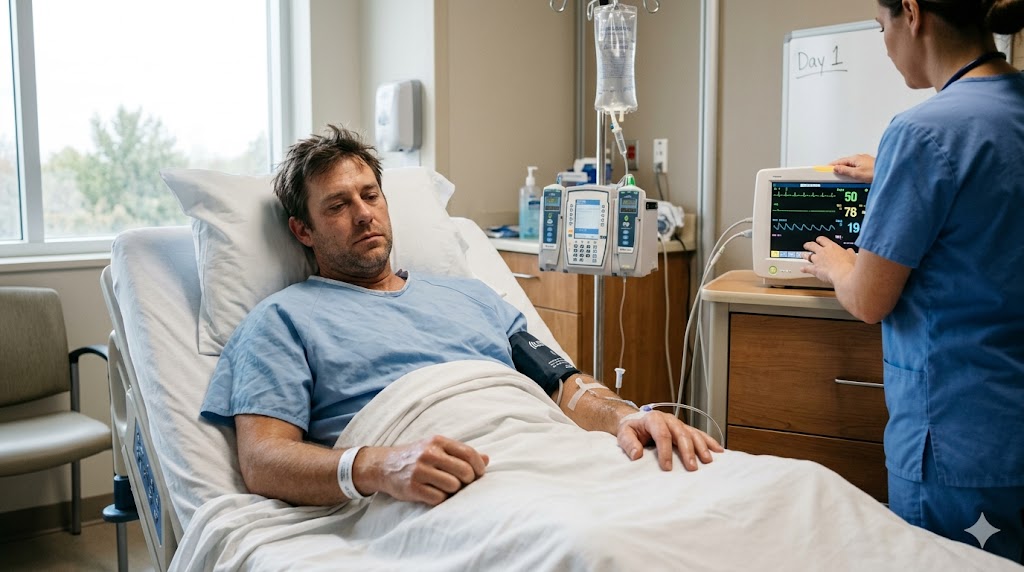
A breakthrough occurs during the first few hours after your last drink; your body is now feeling the effects of alcohol withdrawal and beginning to go through changes. While most people do not have severe (or any) withdrawal symptoms in this time, their body is beginning to recognize the fact that there is no alcohol present in the body. You may experience mild feelings of anxiety, restlessness, or minor tremors in your hands at this time. Some people may also experience nausea, headaches, or difficulty sleeping; sweating may also begin, and you may be feeling emotionally raw during this time; this is completely normal as your nervous system has to adjust to life without alcohol. It’s very important during this period of early sobriety to drink plenty of water, eat healthy foods, and reach out for help if you are feeling distressed emotionally.
Day 3-4: Peak Withdrawal Symptoms
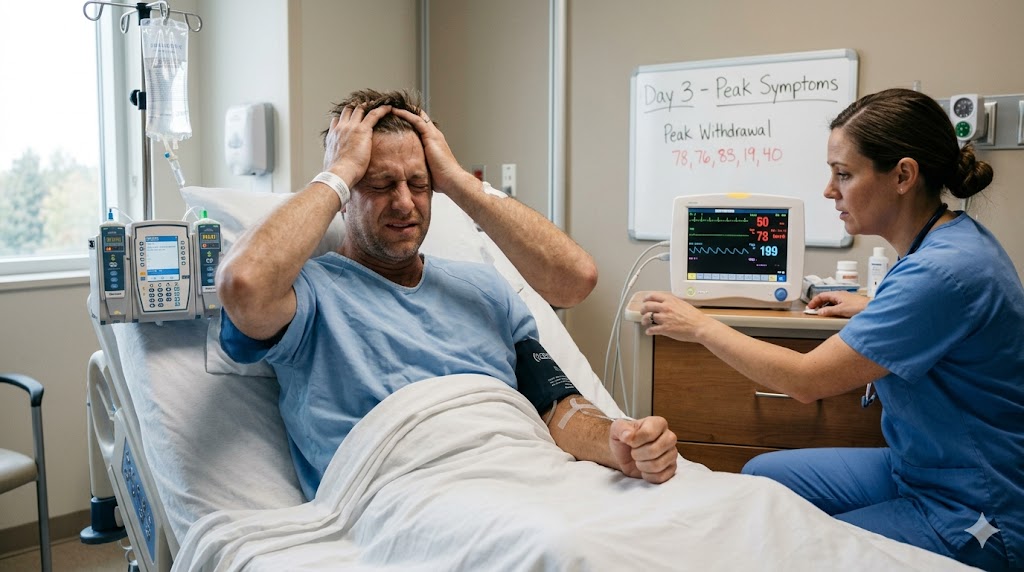
Days 3 and 4 are probably when you will notice a peak in symptoms due to alcoholic withdrawal. You may start to show a greatly elevated heart rate, shaking or tremors, increased anxiety, or inability to sleep (insomnia) more profoundly. Some people will feel “out of place” or think they see things that aren’t really there (hallucinating). That’s why getting professional help in alcohol detox treatment is so important. Your medical caregiver can help monitor your heart rate and give you medications to help relieve some of the symptoms that you may be having. If you are attempting to do this by yourself at home, call for emergency services if you cannot control the withdrawal symptoms.
Day 5-7: The Turning Point

People often see an improvement in their symptoms by the end of day five, even though it’s possible they may not completely disappear. The intensity of how you are physically feeling will start to lessen, however, you may continue to experience emotional reactions such as irritability, anxiety, or depression. You will also start to have a normal sleeping pattern again, develop an appetite, and be more mentally clear. This time frame marks the shift to more psychological work, which includes working to understand why you drank and creating coping mechanisms for the future.
Why Professional Support Matters

People can detox from alcohol successfully at home, but they gain a lot of benefits from going through a formal alcohol detox program. You will have the supervision and care of medical staff for your health concerns and be able to have your withdrawal symptoms managed using medications. You will have access to support systems to help you cope during the difficult times, and they will screen for co-occurring mental health disorders (i.e., depression/anxiety) that often occur at the same time as alcohol withdrawal. This comprehensive approach will greatly increase your chance of success and keep you safe during the most vulnerable period of your recovery.
Moving Forward
Recovery from substance use disorders is much more than just the first week or seven (7) days. Following the acute withdrawal phase of treatment for alcohol or drug dependence, the individual will need to participate in ongoing therapy and counselling and make positive lifestyle changes so they can maintain their sobriety long-term. Knowing how long it may take to complete your recovery allows you to appreciate that the discomfort you may have in the beginning is temporary and can be made easier by receiving appropriate help.
Revolution Recovery Center has various options available that include a comprehensive and compassionate, evidence-based, medically monitored alcohol detoxification program, and an extensive continuum of care for both individuals and families, during the first few days of detoxification and after you are discharged from detoxification. Our staff understands how difficult this transition can be for you or your loved one, and works with you to develop a support system and develop the skills you will need to achieve long-term recovery. Please contact us to discuss how we can help you begin your journey to a healthier, happier future.
FAQs
How do I know if I actually need detox?
If you drink every day and have withdrawal symptoms when you stop drinking (i.e., shaking, sweating, anxiety) or want to quit but cannot, it is advisable that you contact a doctor who can assess your situation.
Can’t I just quit cold turkey at home?
Withdrawal from drinking can be dangerous, causing issues with seizures or having effects on your heart. Through the use of a professional program for detoxifying from alcohol, you will remain safe during this process and be able to handle the unpleasant symptoms of alcohol withdrawal allow you to have an increased chance of completing this process.
Will detox get me sober for good?
Detoxification eliminates physical reliance on drugs, however continued counselling and lifestyle modifications will enable recovery. Detoxification builds the basis for recovery. Recovery is accomplished after detoxification is complete.
What are the actual withdrawal symptoms?
Symptoms experienced upon first withdrawing from alcohol include: anxiety, shaking, sweating, nausea & inability to sleep (first few days); increased heart rate, higher levels of anxiety and confusion, continuing to experience symptoms through Day 2 – Day 4; and the symptoms would begin to diminish but still lingering fatigue and irritability would continue for multiple days (Days 5-7).