













Medically Reviewed by: Alyssa DeStefano, LCSW, Licensed Clinical Social Worker | Revolution Recovery Center
Did you ever think to yourself, “Is my weed habit more than just a habit?” You’re right in thinking that plenty of people are of the mindset that marijuana is just a plant with the ability to quit anytime they so choose. While this is indeed possible for some, others can find this theory proving much more difficult than anticipated.
Over time, weekly recreational cannabis use might transform into daily marijuana consumption, just in an effort to “feel” normal rather than seeking out enjoyment or relaxation.
If these feelings begin to creep, maybe it’s time to address the real question: “Does it take more than willpower?” The fact of the matter is that for a good many, it truly does take more and there is absolutely nothing to be ashamed about that. Below we will explore the appearance of marijuana addiction and the advantages of getting professional help.
Understanding Why Marijuana Can Become Addictive
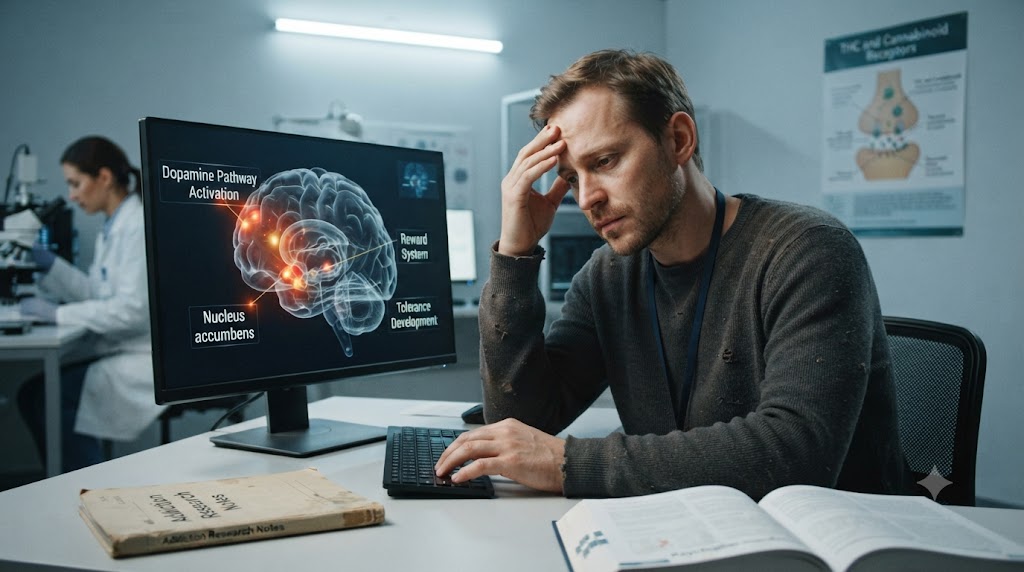
What does cannabis do to my brain? Marijuana taps into our brain’s reward circuitry when it stimulates the release of dopamine – the neurotransmitter of pleasure – that also plays roles in learning and motivation. When heavy users take marijuana on a regular basis, the brain begins to adjust to consistently having THC – marijuana’s main psychoactive component – on hand and develops cannabis use tolerance and dependence (Marijuana Addiction Treatment).
Although not everyone who tries marijuana becomes dependent, studies indicate that about 1 in every 10 marijuana users develop dependency and higher percentages for those who try marijuana as teens. That is why seeking help for a marijuana addiction does not reflect a moral failing, but a condition rooted in biology.
How Marijuana Addiction Affects Mental and Physical Health
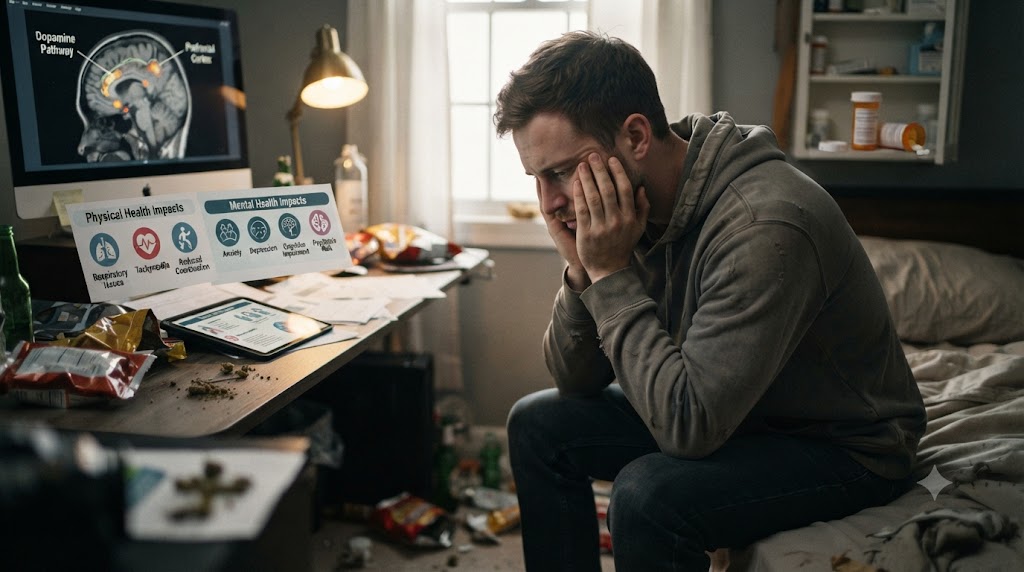
Chronic marijuana use can be associated with problems like reduced memory and attention span, heightened risk for anxiety and depression and, in severe cases, an effect known as “Cannabinoid Hyperemesis Syndrome, characterized by periods of intense nausea and vomiting.” If the marijuana user is already susceptible to mental health illness, then heavy use also can worsen symptoms of psychosis or induce development of conditions such as schizophrenia in vulnerable people. Such physical as well as psychological repercussions usually come up just at this time that finally prompts an individual seeking professional help.
Why At-Home Attempts to Quit Often Don’t Work
So, lots of folks try to ditch the pot and do it alone. They may succeed for a week or two, then boom. They’re back exactly where they started, if not further down the rabbit hole. That’s not a reflection on their willpower-that’s addiction.
When withdrawal symptoms – all of them – such as irritability, restlessness and lack of sleep, can be downright severe and unbearable, the urge to just escape those symptoms by just having some of that good ol’ pot is powerful. Now pile in the daily social stressors and just getting through the day’s pressures, and there’s no doubt how a guided, professional treatment approach will be more beneficial than suffering the withdrawal alone.
What Professional Marijuana Addiction Treatment Actually Involves

Individualized to heal Treatment is not a cookie-cutter program. Professional care includes a variety of treatment options which can be combined based on the individual’s specific needs and progress:
- Screening and Treatment Identification – A licensed clinician assessed the degree of dependency in conjunction with other mental health issues you may have.
- Individual or Group Counselling – Many treatments employ forms of Cognitive Behavioural Therapy and Motivational Interviewing to change addictive behaviour, changing addictive ways of thinking associated with marijuana addiction.
- Medical Intervention – There is currently no Food and Drug Administration approved marijuana withdrawal medication; however, a professional may be prepared to suggest medical help with marijuana withdrawal side effects such as poor rest.
- Treatment Maintenance – Once the client is past withdrawal treatment assistance with resources such as support groups. Ongoing checkups are encouraged for support against future addiction relapse.
Working within this systematic process helps individuals address not only their use of marijuana, but the root causes that drove the dependency in the beginning.
When It’s Time to Seek Professional Help
There isn’t a universal litmus test for deciding when to seek help. However, some signs that it is time to take your marijuana use more seriously include: when multiple attempts to quit on your own haven’t produced sustainable results, when your marijuana use is impacting your relationships or ability to keep your job, or when your symptoms are serious enough to interfere with the ability to meet your daily demands. Thankfully, professional marijuana addiction treatment offers a framework that creates more consistent accountability and a clinical setting that offers support for sustainable healing more than is possible with self-guided efforts.
Final Thoughts
While addiction to marijuana can sometimes be downplayed by those who aren’t experiencing it firsthand, the effects can be serious, with damaging impacts on day to day life, relationships and personal well-being. Catching a problematic marijuana use issue early on, with the knowledge that help is available, can allow a person to break free from marijuana dependency. If you or someone that you love is finding their marijuana use out of control and would like assistance toward lasting change, a team such as the Revolution Recovery Center is comprised of professionals with the clinical knowledge, caring guidance, and a proven treatment approach to ensure a path to recovery.
Contact details
Company name – Revolution Recovery Centers
Corporate Address – 415 S. Federal Highway, Boynton Beach, FL 33435
Call Now – (866) 890-7286 24/7 Support Available
Email Address – info@revolutionrecovery.com
FAQs
Is it really possible to get addicted to marijuana, or is that a myth?
That’s a good point – many people grow up being told, for better or worse, that pot is “not addictive.” And the reality is that, while it’s not everyone, an alarming number of recreational users are becoming hooked – the higher-potency modern product is definitely to blame. But in order to figure it out? If you know you’re using more of it than you ‘want’ to – or feel like you can’t really quit? – Then there’s your answer.
How do I know if I have a problem or if I’m just a regular user?
It might be helpful to ask yourself: Does marijuana dictate your life, or does it fit into it? Do you medicate with weed every day to feel normal or ok? When have you tried to reduce and had trouble? How much are you losing with time, money, or relationships? If you answer yes to more than 1 (or all of these), I strongly suggest investigating.
Will I have withdrawal symptoms if I stop?
Yeah, that can happen – people really don’t expect it. The increased irritability, difficulty sleeping, wild dreams, poor appetite, and agitation that you may notice in the first two weeks are completely normal. Uncomfortable – yes – but it usually doesn’t last, and is one of the reasons many discover that quitting while in a supportive environment is easier.
Do I need to go to rehab, or can I just talk to a therapist?
That really depends on how entrenched the habit is for you. If you have a light dependence with little to no withdrawal symptoms you might find that therapy alone suffices. In the event that you have a history of trying to cut back and returning to it, or there appear to be links in your marijuana use to other more significant health issues then a Marijuana treatment center can provide the all-encompassing framework you want support from.
Can marijuana addiction come back even after treatment?
It can, as with any form of addiction. And recovery isn’t something that’s ‘fixed’ so it’s the continued work, the support, the aftercare, having an idea of how to navigate the trigger situations and aiming to be balanced for the long term, not perfect in a single isolated instance.
What should I actually say when reaching out for help?
Actually, you can be surprisingly eloquent. A statement such as “I think I have a problem with marijuana use” will work perfectly well. Treatment facilities such as Revolution Recovery Center are familiar with people in all of the stages of their addiction.
Is it my fault if I got addicted?
No and I want this to sink in: Addiction is not about moral failings, but the brain’s response to the frequent use of a substance. “Beating yourself up will pile extra shame on top of an already challenging situation, which usually sticks us, not frees us.
What if I’m not ready to quit completely, just cut back?
I know I don’t know where to go. I just want to get out of that but at the moment it makes me feel even more depressed.. You’re perfectly in your rights to feel so and it actually makes an excellent point because it’s not always about total and immediate abstinence. For many people who seek treatment early, the focus will be primarily about harm reduction to begin with. And if your clinician is worth their salt, they won’t have that unrealistic attitude of “all or nothing” from minute one.